
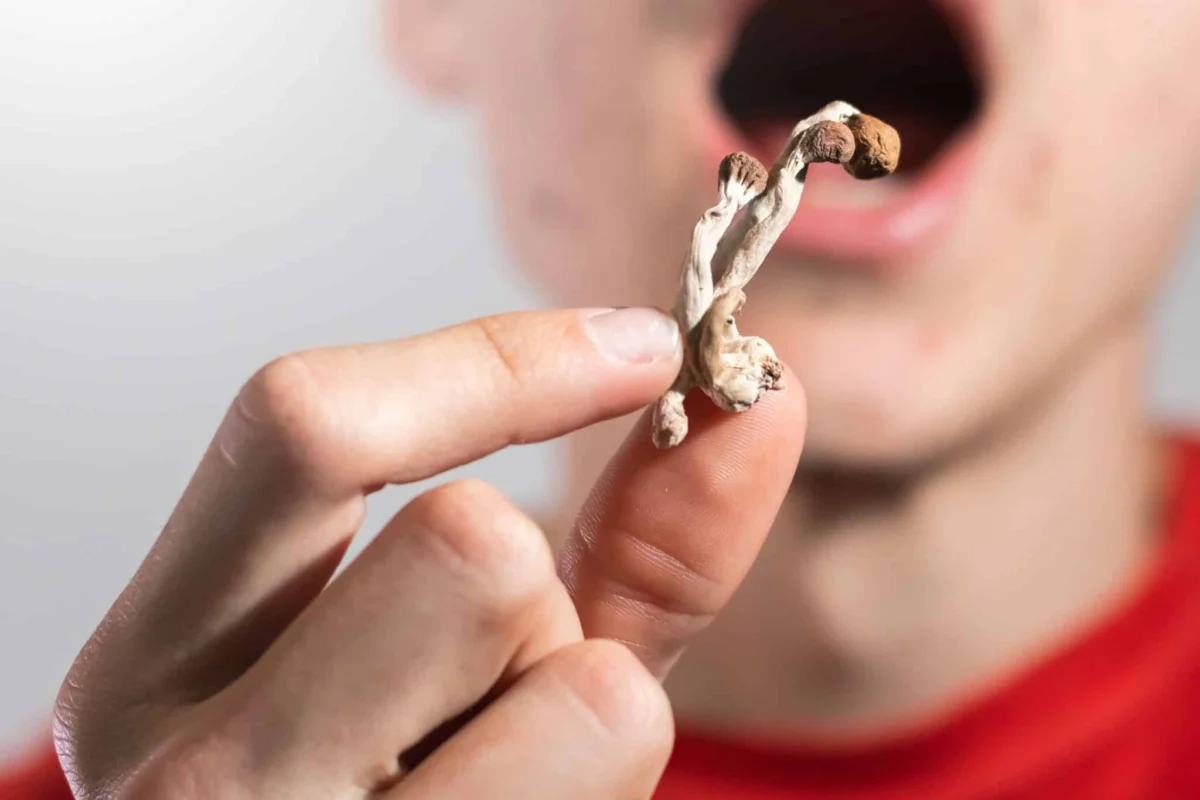
The intersection of modern pharmacology and the burgeoning "psychedelic renaissance" has created an unforeseen clinical challenge. As millions of Americans turn to GLP-1 receptor agonists—such as semaglutide (Ozempic, Wegovy) and tirzepatide (Mounjaro, Zepbound)—for diabetes management and weight loss, a growing body of anecdotal and clinical evidence suggests these "miracle drugs" are fundamentally altering the effects of psilocybin mushrooms.
n
This collision of two major medical trends—the mainstreaming of weight-loss injections and the decriminalization of psychedelic research—has left researchers and users alike grappling with a new reality: the biological mechanisms that suppress appetite may also be silencing the profound psychological experiences associated with "magic mushrooms."
n
Main Facts: The Biological Bottleneck
n
At the heart of the issue is a conflict between the pharmacokinetics of GLP-1 medications and the metabolic requirements of psilocybin. GLP-1 (glucagon-like peptide-1) agonists work, in part, by significantly slowing gastric emptying—a process known as gastroparesis. By keeping food in the stomach longer, these drugs induce a prolonged sense of fullness.
n
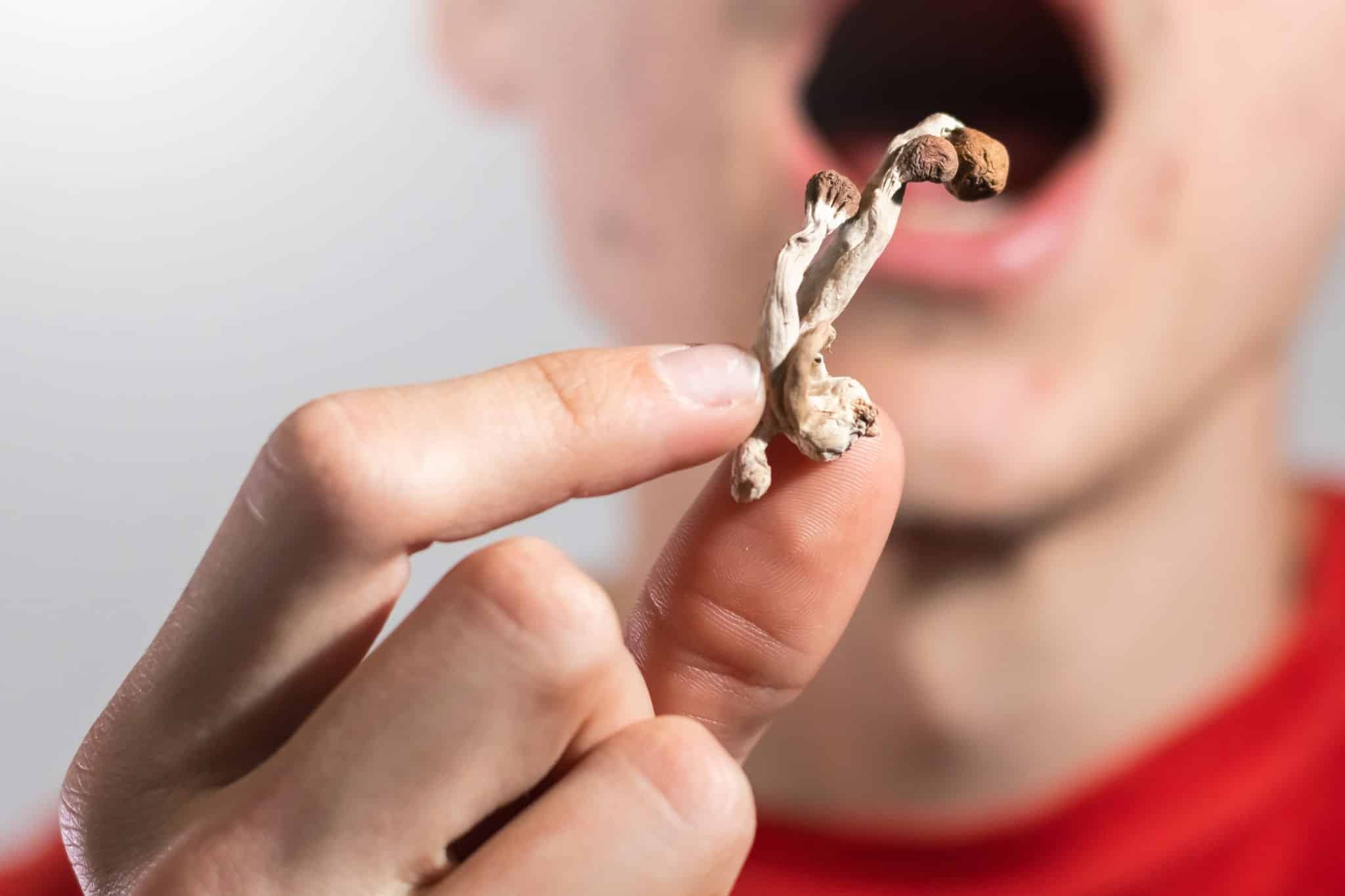
However, psilocybin is a "prodrug." In its raw form, it is not psychoactive; it must be ingested and converted by the digestive system and liver into psilocin, the active compound that crosses the blood-brain barrier to interact with serotonin receptors. When a patient on a GLP-1 regimen consumes psilocybin, the slowed digestive tract creates a bottleneck. Instead of the typical 45-to-90-minute onset, users report waiting hours for any effect.
n
Beyond the delay, the intensity and quality of the experience appear diminished. Reports from the field describe "blunted" effects, where the expected visual and introspective depth of a "trip" never materializes, or "abrupt drop-offs," where the experience ends suddenly rather than tapering off. In the most extreme cases, users report "non-events"—total failures of the drug to produce any psychoactive effect despite significant dosages.
n
Chronology: From Weight Loss Boom to Psychedelic Interference
n
The timeline of this discovery tracks with the meteoric rise of GLP-1 prescriptions over the last five years.
n
2021–2023: The GLP-1 Explosion
n
Following FDA approvals for weight loss, GLP-1 medications moved from niche diabetic treatments to cultural phenomena. By 2023, nearly 2% of the U.S. population had been prescribed a GLP-1 drug. Simultaneously, states like Oregon and Colorado began implementing frameworks for supervised psychedelic use, leading to an overlap in the patient populations using both substances.
n
2024: The First Red Flags
n
As more individuals engaged in both medical weight loss and psychedelic therapy, online forums and harm-reduction groups began to see a spike in "failed trips." Users who had previously had consistent experiences with psilocybin reported that, after starting Wegovy or Ozempic, their sessions were becoming unpredictable. This prompted the 2024 National Survey Investigating Hallucinogen and Trends (NSIHT) to take a closer look at real-world outcomes.
n
2025–2026: Scientific Inquiry and "Small Molecules"
n
By late 2025, neuroscientists began investigating the "hedonic" aspect of this interaction. Researchers like Ali D. Güler at the University of Virginia started looking at "small molecule" GLP-1s—next-generation versions of the drugs that are easier to manufacture and likely to capture even more of the market. In October 2026, the discussion shifted from mere digestive delays to how these drugs might be fundamentally re-wiring the brain’s reward systems, potentially making it harder for psychedelics to "trigger" the neural pathways associated with awe and spiritual insight.
n
Supporting Data: The NSIHT Findings and Metabolic Workarounds
n
Data from the 2024 National Survey Investigating Hallucinogen and Trends (NSIHT) provides a sobering look at the efficacy of psilocybin in a "neutral" population—those who are not necessarily psychedelic enthusiasts. The survey found that 53.3% of respondents reported no clear mental health benefits from their psilocybin use. Furthermore, 21.2% actively disagreed that the substance improved their mental health, while 32.1% remained neutral.
n
While the survey did not exclusively focus on GLP-1 users, the high rate of "neutral" or "negative" outcomes has been linked by experts like Dr. Kristin Speer to unrecognized drug interactions. The data also revealed that 28.8% of users consumed alcohol and 37.9% used cannabis during their experience—substances that can further muddle the metabolic and psychological effects of psilocybin.
n
The "Lemon Tek" and Sublingual Alternatives
n
In response to the gastric slowing caused by GLP-1s, the "folk science" community has developed workarounds. One popular method is "Lemon Tek," which involves soaking ground mushrooms in lemon juice or vinegar. The acid in the juice mimics stomach acid, converting psilocybin into psilocin outside the body. This bypasses the need for the stomach to do the chemical restructuring work, potentially speeding up onset.
n
More formal harm-reduction groups have suggested sublingual (under the tongue) or buccal (cheek pouch) administration of psilocin. By absorbing the compound through the mucous membranes in the mouth, the substance enters the bloodstream directly, entirely bypassing the "slowed" gut of a GLP-1 patient. However, these methods remain experimental and are not a guarantee of a successful therapeutic outcome.
n
Official Responses: The Scientific and Regulatory Stance
n
The scientific community remains cautious, emphasizing that we are only beginning to understand the brain-body interplay of these drugs.
n
The Neuroscientific Perspective
n
Neuroscientist Ali D. Güler of the University of Virginia notes that GLP-1 receptors are not just in the gut—they are in the brain, specifically in areas governing reward and homeostasis. Güler’s research suggests that GLP-1s may be able to segregate "homeostatic feeding" (eating because you are hungry) from "hedonic feeding" (eating for pleasure).
n
"We got quite excited that one brain area might be more affecting reward-based eating only," Güler stated in a recent interview with The Microdose. This has profound implications for psychedelics: if GLP-1s are effectively "turning down the volume" on the brain’s reward and pleasure centers to curb food cravings, they may inadvertently be turning down the volume on the profound emotional and sensory rewards of a psychedelic experience.
n
The Regulatory and Clinical Withdrawal
n
The complexity of these interactions has led some resources to step back. PsychedelicInteraction.com, a pharmacist-led tool designed to check drug-drug interactions with psilocybin, was recently taken offline. The site’s administrators cited "significant operational demands, clinical oversight, and evolving regulatory considerations" as the reasons for sunsetting the tool. This leaves a vacuum in evidence-based education just as the need for such information is peaking.
n
Clinical providers in the psychedelic space are now being urged to screen for GLP-1 use during intake. The consensus among many practitioners is that until more is known, patients may need to "wash out" or temporarily cease GLP-1 use before a scheduled psychedelic session—a move that carries its own risks for diabetic patients.
n
Implications: The Future of Reward and Addiction
n
The interaction between GLP-1s and psilocybin raises deeper questions about the nature of addiction and the "Unified Theory of Addiction." This theory suggests that any activity—be it eating, drug use, or even seeking spiritual experiences—can become addictive if used as a mechanism for stress displacement.
If GLP-1s are successful in muting the "reward" of food, and potentially the "reward" of psychedelics, they may represent a powerful new tool in treating addiction broadly. However, for those seeking the mental health benefits of psychedelic-assisted therapy, this "muting" is a significant hurdle.
Key Takeaways for the Future:
- Clinical Trials: Future psychedelic clinical trials must account for GLP-1 use in their cohorts to avoid skewed data regarding efficacy.
- Precision Medicine: We may see the rise of "precision psychedelics," where administration methods (like sublingual sprays) are chosen specifically to bypass a patient’s unique metabolic profile or medication regimen.
- The Hype Cycle: The high percentage of "neutral" outcomes in recent surveys suggests that the "hype" surrounding psychedelics may be hitting a wall of biological reality. Not every brain is primed for a transformative experience, especially when other medications are altering the neural landscape.
As GLP-1s continue to reshape the physical health of the nation, their shadow over mental health treatments like psilocybin is becoming impossible to ignore. For the millions of Americans navigating both worlds, the "trip" toward healing may be longer, slower, and more complicated than ever before.

