
COLUMBUS, OH — In a state where the prevalence of obesity remains a critical public health challenge, the battle for affordable and comprehensive medical treatment has reached a fever pitch. As of 2025, Ohio has become a focal point for the national debate over how chronic weight management should be covered by state-funded insurance programs. From the halls of the Statehouse to community ballrooms in Columbus, the Obesity Action Coalition (OAC) is leading a multi-front campaign to restore and expand access to life-saving medications and evidence-based care.
n
The current crisis is defined by a significant rollback in coverage for state employees and a long-standing barrier within the Ohio Medicaid system. As state leaders and advocates clash over fiscal responsibility and medical necessity, thousands of Ohioans find themselves caught in a healthcare "coverage cliff," unable to afford the treatments that have revolutionized the management of obesity over the last several years.
n
Main Facts: The 2025 Coverage Crisis
n
The landscape of obesity care in Ohio underwent a seismic shift at the start of 2025. For years, the state had been a battleground for Medicaid expansion regarding obesity medications, but the situation worsened when the State Employee Health Plan (SEHP) officially terminated coverage for GLP-1 receptor agonists—such as Wegovy and Zepbound—when prescribed specifically for weight management.
n
The Medicaid Barrier
n
Despite years of advocacy from the OAC and medical professional societies, Ohio Medicaid continues to exclude FDA-approved anti-obesity medications (AOMs) from its standard formulary. This exclusion creates a two-tiered system of healthcare where low-income Ohioans, who are statistically more likely to live with obesity-related comorbidities, are denied access to the same standard of care available to those with robust private insurance.
n
The SEHP Rollback
n
The 2025 decision to end coverage for GLP-1s within the SEHP affected tens of thousands of state workers, including teachers, law enforcement officers, and administrative staff. The Ohio Department of Administrative Services (DAS) cited rising costs as the primary driver for the decision. However, advocates argue that this "short-term savings" approach ignores the long-term costs of treating the complications of untreated obesity, such as Type 2 diabetes, cardiovascular disease, and certain cancers.
n
The Advocacy Response
n
In response to these barriers, the OAC has intensified its "Your Weight Matters" regional initiatives. A recent event in Columbus served as both an educational symposium and a political rallying point. Featuring bipartisan support from state legislators, the event highlighted the personal and systemic impact of losing access to care.
n
Chronology: The Road to the Current Standoff
n
The evolution of obesity policy in Ohio has been marked by incremental gains followed by sudden, sharp reversals. Understanding the current climate requires a look at the timeline of the last decade.
n
- n
- 2014–2021: The Emergence of Modern Pharmacotherapy. As the FDA began approving a new generation of highly effective obesity medications, the OAC began its initial outreach to Ohio Medicaid. During this period, obesity was increasingly recognized by the American Medical Association (AMA) as a chronic disease rather than a lifestyle choice, yet state policy remained stagnant.
- 2022–2023: The GLP-1 Explosion. The rise of GLP-1 medications transformed the public discourse. Demand surged, and for a brief window, many state employees were able to access these treatments through the SEHP, seeing significant improvements in health outcomes.
- Late 2024: The Fiscal Pivot. Facing a projected spike in pharmacy benefit costs, the Ohio DAS announced that starting in January 2025, the SEHP would no longer cover GLP-1s for weight loss. This announcement sparked immediate backlash from patient advocacy groups.
- January 2025: The Coverage Cut Takes Effect. Thousands of state employees were forced to either pay thousands of dollars out-of-pocket or discontinue their treatment, often leading to rapid weight regain and the return of related health issues.
- Early 2025: Legislative Intervention. State Representatives Josh Williams and Dontavius Jarrells introduced legislation aimed at creating a reimbursement program for state employees. Simultaneously, the DAS introduced a "third-party obesity management program," which the OAC and other critics have labeled as a restrictive and insufficient alternative to comprehensive medical coverage.
- Present Day: The OAC continues to hold regional events, such as the Columbus summit, to mobilize the public and pressure state leaders to reconsider the 2025 cuts and expand Medicaid access.
n
n
n
n
n
n
n
Supporting Data: The High Cost of Inaction
n
The argument for expanding obesity care is rooted in both clinical efficacy and economic reality. Data from the Centers for Disease Control and Prevention (CDC) and various health economic studies provide a stark picture of the situation in Ohio.
n
Obesity Prevalence in Ohio
n
Ohio consistently ranks among the top states for obesity rates. According to recent data, approximately 38% of Ohio adults live with obesity. This is not merely a matter of aesthetics; it is a primary driver of the state’s healthcare spending. Obesity is linked to over 200 chronic conditions, including:
n
- n
- Type 2 Diabetes: 90% of individuals with Type 2 diabetes are overweight or have obesity.
- Hypertension: Obesity is a leading cause of high blood pressure, significantly increasing stroke risk.
- Joint Issues: The mechanical stress of excess weight leads to higher rates of knee and hip replacements, costs often borne by the state.
n
n
n
n
The Economic Impact
While GLP-1 medications are expensive—often retailing for $1,000 to $1,300 per month without insurance—the cost of not treating obesity is higher. A study by the Global Data Institute estimated that the total economic impact of obesity in Ohio, including direct medical costs and lost productivity, exceeds $15 billion annually. Advocates argue that by covering medications, the state would see a "return on investment" through reduced hospitalizations and lower rates of chronic disease management in the long term.
The "Yo-Yo" Effect of Discontinued Care
Clinical data shows that obesity is a chronic, relapsing disease. When patients are forced to stop GLP-1 medications due to coverage loss, studies indicate that a majority regain two-thirds of their lost weight within a year. This cycle of weight loss and gain can be more metabolically damaging than maintaining a consistent, albeit higher, weight, and it represents a significant waste of the initial investment made by the insurance plan.
Official Responses: Legislators and Advocates Speak Out
The debate in Ohio has brought together unlikely allies and sparked sharp criticism of state administrative decisions.
The Legislative Front: Williams and Jarrells
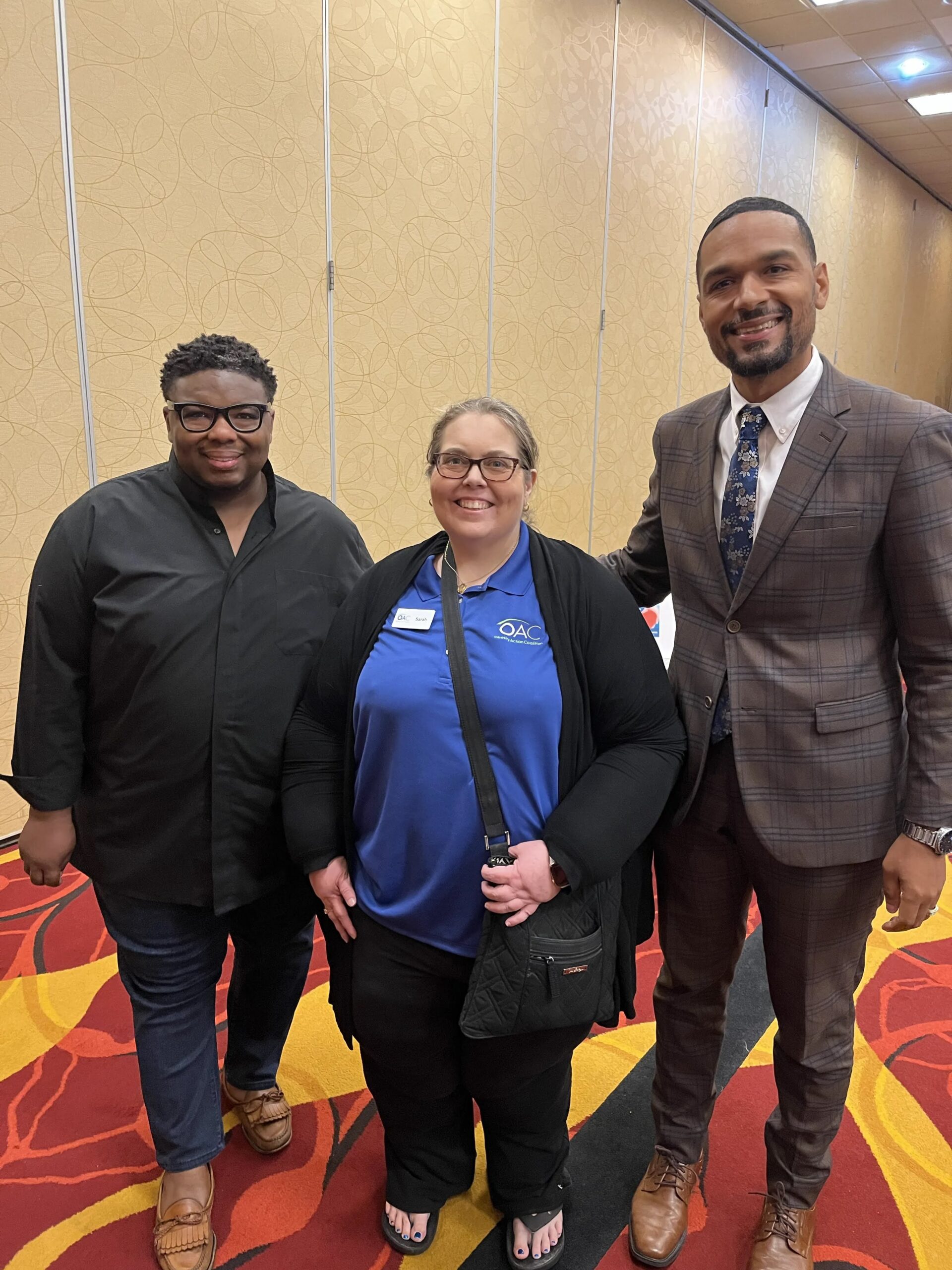
State Representatives Josh Williams (R) and Dontavius Jarrells (D) have emerged as the primary voices for reform in the Ohio Statehouse. At the Columbus "Your Weight Matters" event, both representatives shared personal stories that resonated with the audience.
Representative Williams has been vocal about the "moral failure" narrative that often plagues obesity policy. "We must stop treating obesity as a moral failure and start treating it as the medical condition it is," Williams stated. He emphasized that his advocacy is born from seeing the transformative power of these medications firsthand, only to witness the state pull the rug out from under its own employees.
Representative Jarrells highlighted the equity aspect of the issue, noting that the lack of coverage disproportionately affects marginalized communities. Together, they have pushed for a reimbursement program that would bypass the DAS’s restrictive new policies, though the bill faces an uphill battle in a fiscally conservative legislature.
The OAC’s Stance
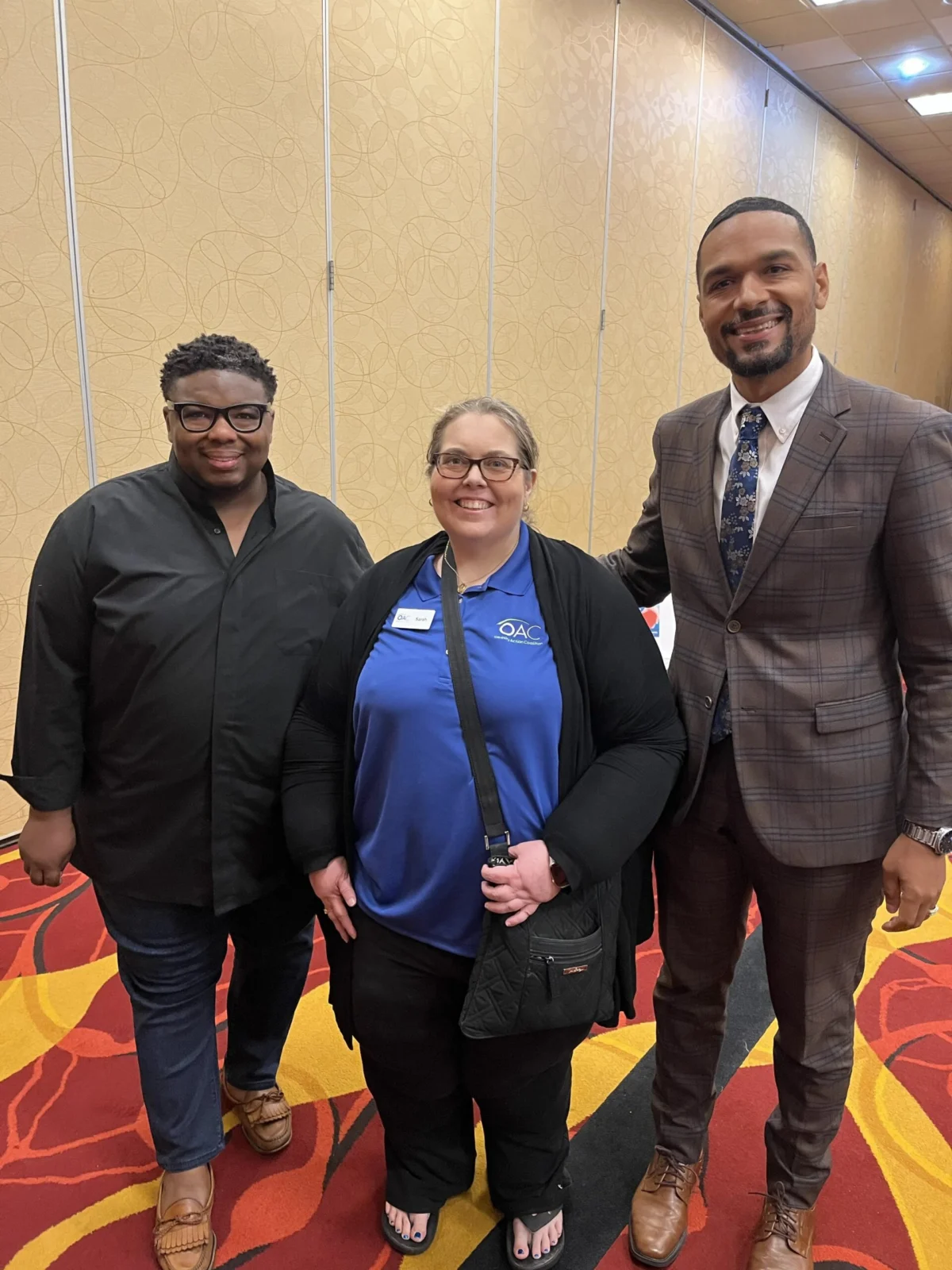
Sarah Bramblette, MSHL, the OAC’s Senior Advocacy Manager, has been the boots-on-the-ground leader for these efforts. Her recent meetings with Ohio Medicaid representatives were aimed at humanizing the data.
"Education and advocacy go hand in hand," Bramblette said. "We are bringing patient experiences and evidence-based information directly to decision-makers. It’s about ensuring that the science of obesity is reflected in the policy of the state."
The OAC has expressed deep skepticism regarding the DAS’s "third-party obesity management program." This program often focuses on behavioral modifications—such as diet and exercise coaching—while excluding the pharmacological tools that many patients require to overcome biological barriers to weight loss. The OAC maintains that while lifestyle changes are essential, they are often insufficient on their own for those with severe obesity.
The State’s Defense
The Ohio Department of Administrative Services has maintained that its primary responsibility is the fiscal health of the state employee insurance fund. In public statements, officials have noted that the "unsustainable" growth in spending on GLP-1 medications threatened to force premium increases for all state employees. They frame the new third-party management program as a way to provide "holistic" support while controlling costs.
Implications: A National Precedent
What is happening in Ohio is not an isolated incident; it is a bellwether for the rest of the United States. As more states grapple with the high cost of modern obesity treatments, the decisions made in Columbus will likely influence policy in other state capitals.
Health Equity and Access
The ongoing exclusion of obesity medications from Ohio Medicaid sets a dangerous precedent regarding health equity. If only the wealthy or those with specific private insurance can access the most effective treatments, the health gap between socioeconomic classes will widen. This has long-term implications for the state’s workforce and social safety nets.
The Evolution of Advocacy
The OAC’s strategy in Ohio—combining high-level legislative lobbying with grassroots community education—represents a new era of patient advocacy. By empowering individuals to contact their representatives and share their "access stories," the OAC is shifting the conversation from abstract budget numbers to human lives.
The Future of Obesity Care
If the OAC and its legislative allies succeed in restoring coverage, it could provide a roadmap for other states to integrate high-cost medications into sustainable public health frameworks. This might include negotiated pricing, value-based contracts, or stricter clinical criteria for prescriptions.
However, if the 2025 cuts remain in place, Ohio may face a burgeoning public health crisis as a generation of state employees and Medicaid beneficiaries are left without the tools to manage their health. The struggle in Ohio serves as a reminder that in the modern era of medicine, the greatest barrier to health is often not the lack of a cure, but the lack of a policy that allows patients to access it.
Call to Action: The OAC encourages all Ohio residents to get involved. By visiting the OAC Action Center, citizens can send messages to their local representatives, urging them to support comprehensive obesity care and ensure that no Ohioan is left behind in the fight for better health.

