
In an era where maternal and infant health outcomes in the United States face unprecedented scrutiny, two of the nation’s most influential nursing organizations have announced a landmark collaboration. The Association of Women’s Health, Obstetric and Neonatal Nurses (AWHONN) and the National Association of Neonatal Nurses (NANN) have formalized the Neonatal Morbidity and Mortality Task Force. This joint initiative represents a strategic pivot toward a unified, interprofessional approach to neonatal care, aiming to dismantle the systemic barriers that contribute to adverse outcomes for the nation’s most vulnerable patients.
n
The task force recently took center stage on the AWHONN Insights podcast, where co-chairs and executive leaders discussed the urgent necessity of moving beyond traditional clinical silos. By integrating data-driven research with an equity-centered framework, the task force seeks to establish a new gold standard for neonatal nursing that prioritizes both clinical excellence and social justice.
n
Main Facts: A Unified Front for the "Vulnerable Few"
n
The formation of the Neonatal Morbidity and Mortality Task Force is rooted in a sobering reality: despite the United States spending more on healthcare per capita than any other developed nation, its infant mortality rates remain disproportionately high. The task force is designed to address this "US Paradox" by leveraging the collective expertise of obstetric, perinatal, and neonatal nurses.
n
The Leadership Trio
n
The initiative is spearheaded by three titans of the nursing field, each bringing a unique perspective to the crisis:
n
- n
- Jill Beck, MSN, APRN, NNP-BC, C-NNIC, C-ELBW: A Neonatal Nurse Practitioner and host of NANNcast, Beck focuses on the intersection of research and clinical practice. Her work emphasizes the involvement of nurses in global drug development and the education of families as partners in care.
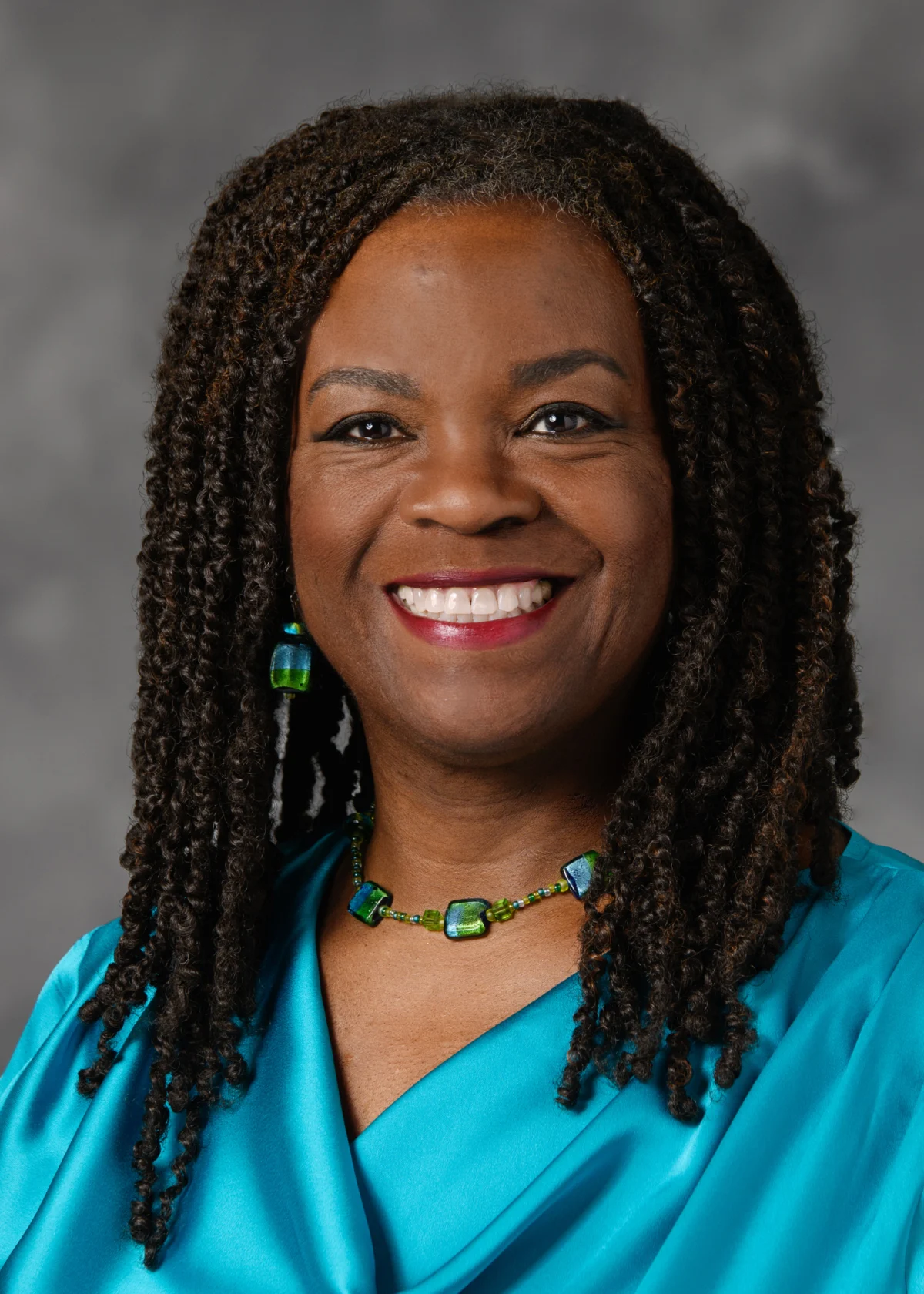
- Dr. Cheryl Bellamy, DNP, APRN, CNM, CNS-C, C-EFM, FAWHONN: As the 2024 National President of AWHONN and a Perinatal Clinical Nurse Specialist, Dr. Bellamy provides the crucial link between maternal health and newborn outcomes. Her career has been dedicated to addressing health disparities and advocating for "respectful care" for diverse populations.
- Taryn M. Edwards, MSN, APRN, NNP-BC: The current President of NANN, Edwards brings over two decades of experience in surgical neonatology. Her focus lies in the environmental impacts on maternal-child health and the promotion of human milk as a primary intervention for improving long-term outcomes.
n
n
n
n
Strategic Objectives
n
The task force’s mandate is built upon three pillars:
n
- n
- Data-Driven Recommendations: Moving away from anecdotal evidence toward large-scale data analytics to identify specific points of failure in neonatal care.
- Evidence-Based Practice (EBP): Standardizing protocols across different levels of neonatal intensive care units (NICUs) to ensure equity of care regardless of geography.
- Equity-Centered Frameworks: Directly addressing the racial and socioeconomic disparities that lead to higher morbidity rates among marginalized communities.
n
n
n
n
Chronology: From Siloed Care to Collaborative Action
n
The path to this collaboration has been shaped by a decade of evolving perspectives within the nursing community regarding the "continuum of care."
n
The Era of Specialization (Pre-2010s)
n
For much of the late 20th century, obstetric nursing and neonatal nursing operated as distinct entities. Obstetric nurses focused on the mother and the delivery process, while neonatal nurses focused on the infant once admitted to the NICU. However, this separation often led to "handoff" errors and a lack of continuity in understanding the prenatal factors affecting newborn health.
n
The Rise of the "Fourth Trimester" (2015–2020)
n
As research into the "fourth trimester" (the first three months after birth) gained traction, organizations like AWHONN began emphasizing that maternal health is inextricably linked to neonatal survival. High rates of maternal morbidity were found to correlate directly with premature births and low birth weights, necessitating a more integrated approach.
n
The Pandemic Catalyst (2020–2022)
n
The COVID-19 pandemic exposed the fragility of the healthcare system and exacerbated existing disparities. It served as a catalyst for AWHONN and NANN to begin informal dialogues about a joint task force. The organizations recognized that the nursing shortage and burnout were threatening the safety of neonatal environments, requiring a national-level response.
n
Formalization and the 2024 Call-to-Action
n
In early 2024, under the presidency of Dr. Cheryl Bellamy, the Neonatal Morbidity and Mortality Task Force was officially chartered. The summer of 2024 marked the launch of its public-facing campaign, including the AWHONN Insights podcast series, designed to mobilize frontline nurses and policymakers.

n
Supporting Data: The High Stakes of Neonatal Health
n
To understand the urgency of the task force’s mission, one must look at the current landscape of neonatal health in the United States.
The Mortality Gap
According to data from the Centers for Disease Control and Prevention (CDC), the infant mortality rate in the U.S. has seen slight fluctuations but remains higher than in most other high-income nations (approximately 5.4 deaths per 1,000 live births). However, the statistics for neonatal morbidity—non-fatal but life-altering conditions—are even more staggering. Thousands of infants each year suffer from preventable conditions such as Bronchopulmonary Dysplasia (BPD) and Necrotizing Enterocolitis (NEC), often due to variations in care quality.
The Disparity Crisis
The most damning data lies in the racial divide. Black infants in the United States are more than twice as likely to die before their first birthday as white infants. This disparity persists even when controlling for income and education levels, pointing to systemic bias and unequal access to high-quality neonatal interventions.
The Economic Impact
Neonatal care is among the most expensive segments of healthcare. A single NICU stay can cost hundreds of thousands of dollars. The task force argues that by implementing evidence-based preventative measures and improving the "handoff" from delivery to the nursery, the healthcare system can save billions of dollars while improving the quality of life for families.
Official Responses: Voices from the Vanguard
The leaders of the task force have been vocal about the paradigm shift required to save lives. Their responses highlight a move toward "humane" and "scientific" synergy.

Jill Beck emphasizes the role of the nurse as a researcher. "The best neonatal care happens when clinicians, researchers, and families learn together," Beck stated during the podcast. She argues that nurses are often the first to see the subtle signs of morbidity and should be empowered to lead quality improvement initiatives. Her work with the International Neonatal Consortium further suggests that neonatal care must be a global conversation, particularly regarding drug safety and dosage for Extremely Low Birth Weight (ELBW) infants.
Dr. Cheryl Bellamy views the task force through the lens of advocacy. "We are not just treating a clinical condition; we are treating a family and a community," she noted. Dr. Bellamy’s focus on "respectful care" serves as a direct response to the history of medical mistrust in minority communities. She asserts that reducing neonatal mortality is impossible without first addressing the "weathering" effect of systemic racism on expectant mothers.
Taryn M. Edwards highlights the technical and environmental aspects of the NICU. "Understanding the environmental impacts on maternal and child health is critical," Edwards said. She points to the importance of human milk and the physical environment of the NICU as primary factors in reducing morbidity. As NANN President, her response underscores the organization’s commitment to providing nurses with the specific clinical tools needed to manage complex surgical neonates.
Implications: A New Era of Nursing and Policy
The work of the Neonatal Morbidity and Mortality Task Force carries profound implications for the future of healthcare, extending far beyond the walls of the NICU.
Professional Standardization
One of the most immediate implications will be the update of AWHONN and NANN clinical standards. These standards often serve as the basis for hospital protocols and legal benchmarks for "standard of care." By aligning these organizations, the task force ensures that a nurse in a rural community hospital has access to the same evidence-based guidelines as a nurse in a major urban academic medical center.

Policy Advocacy
The task force is expected to become a powerful lobbying force in Washington, D.C. By presenting a unified front, AWHONN and NANN can more effectively advocate for legislation such as the "Momnibus" Act, which aims to fund maternal and infant health programs. Their data-driven approach provides the "hard evidence" legislators need to justify increased funding for neonatal research and nursing education.
Shifting the Nursing Curriculum
As the task force’s recommendations are integrated into practice, nursing schools will likely adjust their curricula to emphasize interprofessional collaboration. The traditional boundaries between "mother-baby" care and "intensive" care are blurring, requiring a new generation of nurses who are proficient in both spheres.
Empowerment of the Family Unit
Finally, the task force’s focus on "family-centered care" signals a shift in the power dynamic of the NICU. By treating parents as essential members of the care team rather than visitors, healthcare providers can improve discharge outcomes and reduce the long-term psychological impact of neonatal illness on families.
Conclusion
The collaboration between AWHONN and NANN through the Neonatal Morbidity and Mortality Task Force is more than a professional partnership; it is a moral response to a national crisis. By combining the clinical rigor of neonatal nursing with the holistic advocacy of women’s health nursing, Jill Beck, Dr. Cheryl Bellamy, and Taryn Edwards are leading a movement to ensure that every infant, regardless of their race or zip code, has the opportunity to thrive. As this task force continues its work, the eyes of the healthcare world will be on them, looking for the solutions that will finally turn the tide on neonatal mortality in America.

