
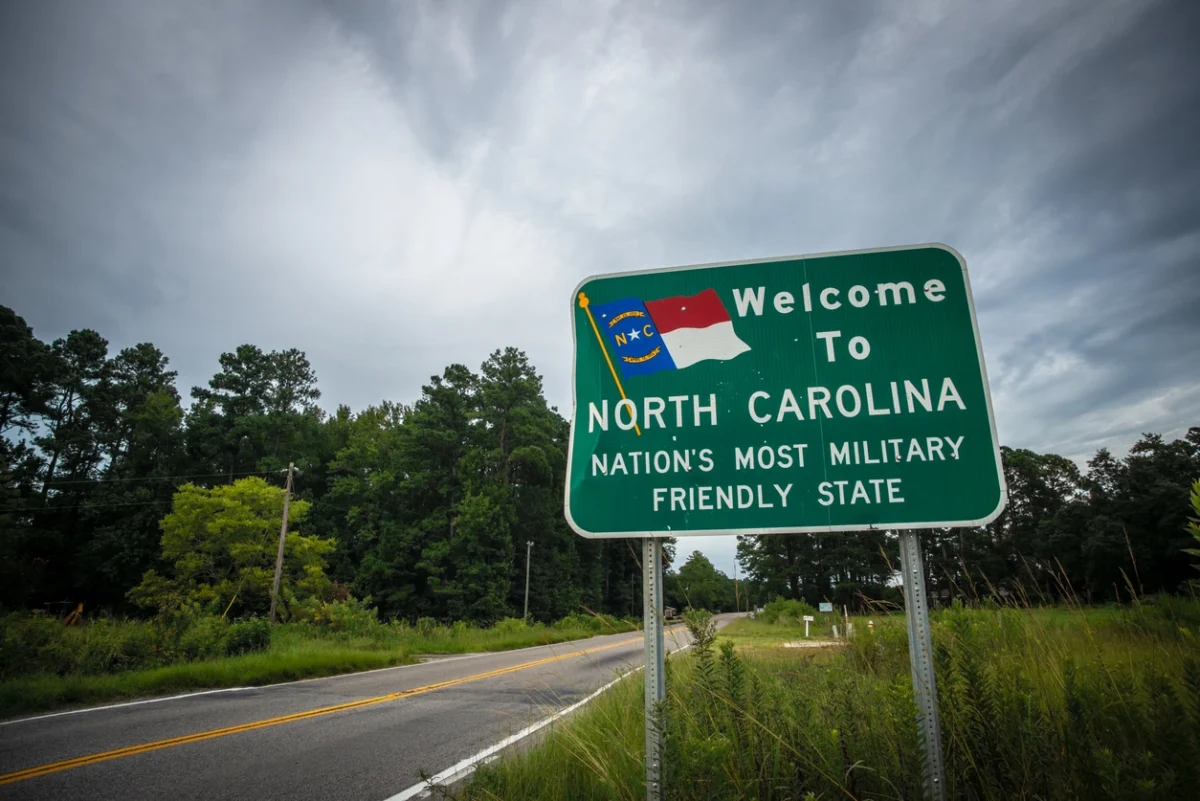
The Camp Lejeune water contamination crisis represents one of the most significant environmental health tragedies in U.S. military history, profoundly impacting hundreds of thousands of military personnel, their families, and civilians. For decades, individuals who lived and worked at the Marine Corps Base Camp Lejeune in North Carolina were unknowingly exposed to highly toxic chemicals in their drinking water. This prolonged exposure has been linked to a devastating array of severe illnesses, including various cancers, birth defects, and other debilitating health conditions.
n
The ongoing legal battle for justice and compensation, widely known as the Camp Lejeune lawsuit, has been a long and arduous journey for the victims. This article delves into the intricate background, profound health impacts, specific toxic substances involved, critical legal actions, and recent developments surrounding this complex and deeply human issue. As we explore the complexities of this crisis and the relentless fight for accountability, the immense human cost and the unwavering pursuit of justice remain at the forefront.
n
Quick Overview of the Camp Lejeune Water Contamination Lawsuit
n
The Camp Lejeune water contamination saga spans decades, from the initial pollution to the current legal redress efforts. Here’s a snapshot of the core issues:
n
- n
- Contamination Period: Water at Camp Lejeune was contaminated between August 1, 1953, and December 31, 1987.
- Affected Population: Over one million individuals, including service members, their families, and civilian workers, are estimated to have been exposed.
- Primary Contaminants: Trichloroethylene (TCE), Tetrachloroethylene (PCE), benzene, vinyl chloride, and other volatile organic compounds (VOCs).
- Health Consequences: Linked to a wide range of severe health conditions, including multiple cancers (e.g., kidney, liver, bladder, breast, leukemia, non-Hodgkin’s lymphoma), birth defects, reproductive issues, Parkinson’s disease, and other neurological disorders.
- Legal Recourse: The Camp Lejeune Justice Act of 2022 (CLJA), signed into law as part of the Honoring Our PACT Act, provides a critical pathway for victims to file lawsuits against the U.S. government in federal court.
- Current Status: Thousands of administrative claims have been filed, and hundreds of lawsuits are proceeding, with the U.S. District Court for the Eastern District of North Carolina managing the complex litigation through a "Master Docket." No settlements have been officially paid out under the CLJA as of the initial phase of litigation, but the process for potential compensation is underway.
n
n
n
n
n
n
n
Background on Camp Lejeune Water Contamination
n
Established in 1942, Camp Lejeune is a sprawling 250-square-mile Marine Corps base located in Onslow County, North Carolina. For decades, it served as a vital training facility and military operations center for the U.S. Marine Corps and other branches of the armed forces. However, between 1953 and 1987, a period spanning over three decades, the base’s drinking water supply became dangerously tainted with toxic chemicals. This contamination insidiously affected generations of individuals who lived, worked, or were stationed there, with estimates suggesting over one million people were potentially exposed.
n
Chronology of Events
n
The story of the Camp Lejeune contamination is a timeline marked by environmental oversight failures, delayed responses, and a gradual awakening to a public health catastrophe.
n
- n
- Early 1950s: Fuel leaks from underground storage tanks and improper waste disposal practices at the Hadnot Point water treatment plant begin to pollute the groundwater. Hadnot Point supplied water to enlisted family housing, barracks for unmarried service personnel, and various base operations.
- Mid-1950s: A nearby off-base dry cleaning business, One Hour Dry Cleaner, begins operating. Its primary cleaning solvent, Tetrachloroethylene (PCE), a known toxic chemical, is improperly disposed of, leading to severe contamination of the Tarawa Terrace water treatment plant, which served family housing and barracks.
- 1980s:n
- n
- 1980: Marine Corps officials begin conducting internal testing of the water supply.
- 1982: Initial comprehensive tests conducted by the Marine Corps reveal alarmingly elevated levels of toxic chemicals in the water from two primary treatment facilities: Hadnot Point and Tarawa Terrace. Contaminants found include PCE and Trichloroethylene (TCE). For instance, TCE levels at Hadnot Point were found to be as high as 1,400 parts per billion (ppb), drastically exceeding the Environmental Protection Agency’s (EPA) maximum safe level of 5 ppb. PCE levels at Tarawa Terrace were similarly high.
- 1985: Despite the discovery of these dangerous contaminants in 1982, the majority of the most heavily contaminated wells at Camp Lejeune are not closed until 1985. This three-year delay in taking decisive action is a critical point of contention in the legal proceedings.
n
n
n
- 1987: The official contamination period is designated to end on December 31, 1987, as measures to close contaminated wells and address the issue began to take hold.
- 1989: Camp Lejeune is designated as a Superfund site by the EPA, officially acknowledging the severe hazardous waste contamination and initiating long-term remediation efforts.
- 1990s – 2000s: Various federal agencies, including the Agency for Toxic Substances and Disease Registry (ATSDR), a division of the Centers for Disease Control and Prevention (CDC), begin conducting extensive studies to assess the health impacts on the affected population. These studies examine mortality rates, cancer incidence, and birth defects.
- 2007: An ATSDR report estimates that up to 950,000 people may have been exposed to carcinogens in the water supply at Camp Lejeune from 1953 to 1987.
- 2012: The Honoring America’s Veterans and Caring for Camp Lejeune Families Act of 2012 is signed into law, providing healthcare benefits through the Department of Veterans Affairs (VA) for veterans and their family members suffering from specific presumptive conditions linked to the contamination.
- 2022: The Camp Lejeune Justice Act (CLJA) is passed as part of the Honoring Our PACT Act, finally granting victims the ability to file lawsuits against the U.S. government for injuries sustained due to the contaminated water.
n
n
n
n
n
n
n
Affected Population – Camp Lejeune Victims
The scope of the affected population is staggering. It includes not only active-duty military personnel and reservists but also their spouses and children who resided on base, as well as civilian employees and contractors working at Camp Lejeune between August 1, 1953, and December 31, 1987. It is estimated that well over one million individuals fall into this category.
Of particular concern are pregnant women who resided at Camp Lejeune during the contamination period. Studies have revealed a significantly higher incidence of neural tube congenital disabilities, such as spina bifida, and other birth defects among children born to mothers exposed to the contaminated water. The estimated range of pregnant women residing at Camp Lejeune during this time is between 20,000 and 30,000, underscoring the intergenerational tragedy of the contamination.
Health Impacts of Contaminated Water
The toxic chemicals identified in Camp Lejeune’s water supply have been definitively linked to a multitude of severe health conditions. These range from various aggressive forms of cancer to devastating birth defects, reproductive issues, and other serious, often life-threatening, health problems. The long-term exposure to these potent toxic substances has led to immense suffering, highlighting the urgent need for comprehensive justice and compensation for the victims.
Cancer Risks
Extensive research, including studies by the ATSDR and other scientific bodies, has established a strong association between exposure to the toxic substances found in Camp Lejeune’s water (primarily PCE and TCE) and an increased risk of developing numerous forms of cancer. These include:
- Leukemia: Cancers of the blood-forming tissues.
- Bladder Cancer: A common and often aggressive cancer.
- Kidney Cancer: Cancers affecting the kidneys’ filtering system.
- Liver Cancer: Malignancies of the liver.
- Breast Cancer: Particularly among males and pre-menopausal females exposed.
- Lung Cancer: Beyond typical smoking-related risks.
- Multiple Myeloma: A cancer of plasma cells.
- Non-Hodgkin’s Lymphoma: A cancer originating in the lymphatic system.
The sheer concentration of contaminants underscores the severity of these risks. For instance, the levels of TCE detected in the water at Hadnot Point were as high as 1,400 parts per billion (ppb), a staggering 280 times higher than the Environmental Protection Agency’s (EPA) maximum safe level of 5 ppb for drinking water. Such extreme levels of exposure significantly amplify the threat to human health.
Birth Defects and Reproductive Issues
The impact of the contaminated water extended beyond those directly exposed, affecting their children even before birth. Exposure to the toxic water at Camp Lejeune has been strongly linked to a range of birth defects and reproductive issues in both males and females.
- Neural Tube Defects (NTDs): Studies have revealed that children exposed to contaminated water during fetal gestation exhibited neural tube defect rates nearly five times higher than usual. NTDs include severe conditions like spina bifida and anencephaly.
- Congenital Heart Defects: Maternal exposure to TCE during pregnancy has been specifically associated with an increased risk of congenital heart defects in their offspring.
- Other Reproductive Issues: Evidence also points to increased risks of miscarriage, infertility, and low birth weight among exposed populations.
These findings highlight the devastating intergenerational consequences of the Camp Lejeune water contamination, impacting the health and well-being of not only those directly exposed but also their unborn children and subsequent generations.
Other Health Conditions
Beyond cancers and reproductive issues, exposure to the toxic substances in Camp Lejeune’s water has been associated with a broader spectrum of debilitating health conditions:
- Aplastic Anemia: A rare and serious condition where the body stops producing enough new blood cells, often linked to PCE and TCE exposure.
- Neurologic Disorders: Including Parkinson’s disease and other severe neurological conditions, with scientific studies indicating a link to TCE exposure.
- Liver Diseases: Beyond cancer, conditions like fatty liver disease and cirrhosis have been associated with exposure to chemicals like benzene and TCE.
- Kidney Disease: Chronic kidney disease and other renal dysfunctions.
- Scleroderma: A chronic connective tissue disease.
The extensive range of severe health problems stemming from the contaminated water at Camp Lejeune serves as a grim reminder of the profound and long-lasting consequences of environmental contamination, emphasizing the critical importance of stringent environmental protection and swift action when such problems arise.
Toxic Substances Found in Camp Lejeune’s Water
The widespread contamination of Camp Lejeune’s water supply was the result of a dangerous cocktail of volatile organic compounds (VOCs). These substances, colorless and often odorless, made their way into the drinking water system through various sources, including leaking underground storage tanks, improper waste disposal practices, and industrial solvents used by a nearby off-base business. The primary culprits were PCE and TCE, but several other hazardous chemicals contributed to the toxic burden.
PCE (Tetrachloroethylene)
PCE, or Tetrachloroethylene, is a synthetic chemical widely used in various industrial applications, most notably as a dry cleaning solvent and as a degreasing agent in metal manufacturing. It is a potent toxic chemical, classified as a Group B2 probable human carcinogen by the U.S. Environmental Protection Agency (EPA) and the International Agency for Research on Cancer (IARC).
Exposure to PCE can occur through inhalation of its vapors, ingestion of contaminated water, or skin contact. Long-term exposure to elevated levels of PCE has been linked to an increased risk of several illnesses, including bladder cancer, non-Hodgkin’s lymphoma, and kidney dysfunction. At Camp Lejeune, PCE contamination primarily stemmed from the improper disposal practices of the nearby One Hour Dry Cleaner, which severely impacted the Tarawa Terrace water treatment system. The levels of PCE detected in the water supply at Camp Lejeune significantly exceeded the EPA’s maximum contaminant level (MCL) of 5 ppb, posing a severe and sustained health risk to those exposed.
TCE (Trichloroethylene)
TCE, or Trichloroethylene, is another highly toxic chemical frequently employed as a powerful degreasing solvent for the maintenance of metal machinery and military equipment. It is also classified as a human carcinogen. At Camp Lejeune, TCE was a significant contaminant, primarily affecting the Hadnot Point water treatment system due to leaks from underground storage tanks and industrial spills.
The concentrations of TCE found in Camp Lejeune’s water were alarmingly high, reaching levels of 1,400 ppb at Hadnot Point – an astounding 280 times the EPA’s maximum safe drinking water limit of 5 ppb. Prolonged exposure to TCE is associated with an increased risk of developing several serious health conditions, including kidney cancer, liver cancer, non-Hodgkin’s lymphoma, and neurological disorders such as Parkinson’s disease. The pervasive presence of TCE underscores the critical dangers posed by the unchecked use and disposal of industrial chemicals and the paramount need for stringent environmental and safety regulations.
Other Toxic Chemicals
In addition to PCE and TCE, other toxic chemicals identified in Camp Lejeune’s water supply contributed to the overall toxic burden. These include:
- DCE (Dichloroethylene isomers): Byproducts of TCE degradation, also toxic.
- Benzene: A known human carcinogen, often found in fuel and industrial solvents, linked to leukemia and other blood disorders.
- Vinyl Chloride: Another breakdown product of TCE, a highly carcinogenic gas associated with liver cancer.
- 1,1-DCE and 1,2-DCE: Isomers of dichloroethylene, also known to be harmful.
- Methylene Chloride: A solvent that can cause central nervous system depression and potential cancer risks.
- Toluene: A solvent used in paints and thinners, which can affect the nervous system.
The presence of this complex mixture of hazardous chemicals magnified the potential for adverse health effects, as the synergistic impact of multiple toxins can often be greater than the sum of their individual effects. This cocktail of contaminants underscores the critical importance of robust environmental monitoring, strict regulatory enforcement, and immediate remediation efforts to safeguard public health from such pervasive chemical exposures.
Official Responses: Government Actions and Legislative Milestones
The governmental response to the Camp Lejeune water contamination evolved significantly over time, from initial delays in addressing the problem to landmark legislative action aimed at providing redress for victims.
Early Awareness and Delayed Action
Despite initial findings of contamination in the early 1980s, the Marine Corps’ response was notably slow. Wells found to be contaminated in 1982 were not fully shut down until 1985, allowing years of continued exposure. The lack of immediate, decisive action during this period contributed to the prolonged exposure of thousands and is a central point of the ongoing legal and ethical debate surrounding the crisis. The reasons for this delay are complex, involving bureaucratic inertia, a lack of clear regulatory frameworks at the time, and potentially an underestimation of the long-term health risks.
Superfund Designation and Remediation Efforts
In 1989, Camp Lejeune was officially designated as a Superfund site by the Environmental Protection Agency (EPA). This designation marked a crucial turning point, acknowledging the severity of the contamination and triggering comprehensive, long-term federal remediation efforts. The U.S. Navy, in collaboration with the EPA, undertook extensive investigations, testing, and cleanup operations aimed at removing contaminants from the soil and groundwater, preventing further spread, and ensuring the safety of the base’s water supply moving forward. These efforts have continued for decades, demonstrating the lasting environmental legacy of the contamination.
Department of Veterans Affairs Benefits
Prior to the ability to file lawsuits, the Department of Veterans Affairs (VA) began to acknowledge the health impacts of Camp Lejeune’s contaminated water. In 2012, the Honoring America’s Veterans and Caring for Camp Lejeune Families Act was passed. This act made it possible for veterans and their family members who had specific presumptive conditions (a list of 15 diseases including certain cancers, Parkinson’s disease, and aplastic anemia) and who served or resided at Camp Lejeune for at least 30 days between August 1, 1953, and December 31, 1987, to receive VA healthcare benefits and disability compensation. While a significant step, this administrative pathway did not fully address the scope of illnesses or provide the full measure of justice many victims sought.
The Camp Lejeune Justice Act of 2022
The most significant legislative breakthrough came with the passage of the Camp Lejeune Justice Act (CLJA) of 2022. This landmark legislation, signed into law by President Biden as part of the Honoring Our PACT Act, fundamentally altered the landscape for victims. The CLJA grants individuals who were exposed to contaminated water at Camp Lejeune between August 1, 1953, and December 31, 1987, for at least 30 days, the right to file a lawsuit against the U.S. government.
Crucially, the Act overrides previous legal hurdles, such as North Carolina’s statute of repose, which had previously prevented many victims from seeking compensation. It allows claims to be submitted in the U.S. District Court for the Eastern District of North Carolina, the sole venue for these specific lawsuits. The passage of the CLJA represents a monumental victory for advocacy groups and victims, finally providing a direct legal pathway to seek redress for the harm they experienced.
Implications: The Pursuit of Justice and Future Accountability
The Camp Lejeune water contamination crisis carries profound implications, extending from the individual suffering of victims to broader lessons for government accountability, environmental stewardship, and military base management.
The Human and Societal Cost
Beyond the grim statistics of illnesses and deaths, the contamination crisis inflicted an immeasurable human and societal cost. Generations of service members and their families faced not only life-threatening diseases but also years of uncertainty, medical debt, and the emotional toll of battling an invisible enemy. Many struggled to understand the cause of their ailments, facing skepticism and administrative hurdles for decades. The emotional distress, lost quality of life, and the fracturing of families due to illness or wrongful death represent a deep scar on the military community and the nation. The CLJA aims to provide financial compensation, but the trauma and loss can never be fully undone.
Navigating the Legal Process – Camp Lejeune Victims
The CLJA, while a vital step, initiated a complex legal process for victims. To pursue a claim, individuals must first submit an administrative claim to the Department of the Navy. If this claim is not resolved within 180 days, the claimant becomes eligible to file a formal complaint in federal court. This administrative exhaustion requirement is designed to give the government an opportunity to resolve claims without litigation.
Given the intricate nature of environmental law, medical causation, and federal litigation, hiring a law firm with extensive experience in Camp Lejeune water contamination cases is crucial. These legal professionals assist victims in:
- Gathering Evidence: Compiling comprehensive medical records, military service records (such as DD214), proof of residency at Camp Lejeune, and any other documentation establishing a link between exposure and health conditions. Military personnel records can be accessed through the eVetRecs system or by submitting Standard Form SF-180.
- Filing Claims and Lawsuits: Navigating the specific requirements for administrative claims and subsequent federal court filings.
- Understanding Liability: Explaining the legal framework under the CLJA that establishes the government’s liability for the harm caused.
- Negotiating Settlements: Representing victims in potential settlement discussions or preparing for trial if a settlement cannot be reached.
Recent Developments and Lawsuit Progress
Since the CLJA’s enactment, there has been a significant surge in legal activity. As of recent updates, tens of thousands of administrative claims have been submitted under the CLJA, and hundreds of lawsuits have been formally initiated in the U.S. District Court for the Eastern District of North Carolina.
To manage the immense volume and complexity of these cases, the Eastern District of North Carolina Federal Court issued an Order on April 24, 2023, establishing a "Master Docket." This centralized system aims to streamline the litigation process by:
- Consolidating Discovery: Coordinating the evidence-gathering phase across multiple cases.
- Phased Discovery Procedures: Implementing a structured approach to uncover facts.
- Coordinating Expert-Related Motions: Managing challenges to expert witness testimony.
- Dispositive Motion Filing: Handling motions that could resolve cases before trial.
- Bellwether Selection: Identifying representative cases for initial trials to help gauge the value and viability of the broader pool of claims.
- Trial Scheduling and Settlement Negotiations: Developing a framework for trials and encouraging settlement discussions.
These developments signify a concerted effort by the judiciary to move the lawsuits forward efficiently, recognizing the urgency for justice for the victims.
Potential Settlements and Compensation
While the government has not yet established a definitive protocol for adjudicating all the lawsuits or for mass settlements, it is widely anticipated that a comprehensive settlement framework encompassing many Camp Lejeune water contamination lawsuits will be achieved before a multitude of individual trials. This approach would provide a more expedited route for victims to receive financial compensation.
The potential settlement amounts for individual cases will vary significantly, depending on several factors:
- Severity of Injuries: The specific diagnoses and the long-term impact on the victim’s health.
- Conditions Diagnosed: The types of illnesses and their established links to the contaminants.
- Period of Exposure: The duration of time spent at Camp Lejeune during the contamination period.
- Economic Damages: Medical expenses (past and future), lost wages, loss of earning capacity.
- Non-Economic Damages: Pain and suffering, emotional distress, loss of enjoyment of life.
- Wrongful Death: Compensation for the families of those who died as a result of their exposure.
It is important to note that, as of the initial phase of litigation, no official payouts have been disbursed under the CLJA. Any figures regarding "average payouts" are currently estimates based on previous mass tort litigation and the potential severity of damages. Victims should consult with legal counsel for personalized assessments, as each case’s value will be unique.
Conclusion
The Camp Lejeune water contamination crisis stands as a poignant reminder of the enduring suffering caused by environmental negligence and the unwavering resilience of those who seek justice. The decades-long struggle for accountability, culminating in the passage of the Camp Lejeune Justice Act, underscores the critical importance of government transparency, environmental responsibility, and accessible legal pathways for victims. As the legal process continues to unfold, marked by thousands of claims and a structured judicial approach, the hope for meaningful compensation and acknowledgment of harm remains paramount for countless military personnel, their families, and civilians. Their fight is not just for financial redress, but for recognition of their suffering and for a future where such tragedies can be prevented through vigilance and accountability.
Frequently Asked Questions
Has anyone gotten money for the Camp Lejeune Water Contamination Lawsuit?
As of the initial phase of litigation following the passage of the Camp Lejeune Justice Act in August 2022, no official settlements have been disbursed to victims under this specific legislation. The legal process, involving administrative claims and federal lawsuits, is still in its early stages.
What is the estimated payout for the Camp Lejeune lawsuit?
Estimates for Camp Lejeune water contamination settlement amounts vary widely, often ranging from tens of thousands to potentially over a million dollars, depending on the severity of the illness, the specific diagnosis, the length of exposure, and other individual factors. It’s crucial to understand these are only estimates based on legal projections and prior mass tort cases, as no official payouts have occurred under the CLJA yet. Individual cases could yield significantly different amounts. Consulting with a qualified attorney is essential for a personalized assessment.
What is the status of the Camp Lejeune lawsuit?
The Camp Lejeune water contamination lawsuit is actively progressing following the signing of the Camp Lejeune Justice Act of 2022 into law. This Act allows victims to file lawsuits in federal court. Thousands of administrative claims have been submitted, and hundreds of lawsuits have been filed in the U.S. District Court for the Eastern District of North Carolina, which is managing the litigation through a "Master Docket" to streamline the process. Lawsuits can still be filed by eligible individuals.
How many lawsuits have been filed against Camp Lejeune?
Since the Camp Lejeune Justice Act was enacted in August 2022, thousands of administrative claims have been submitted to the Department of the Navy, and hundreds of formal lawsuits have been filed in the U.S. District Court for the Eastern District of North Carolina. This represents a significant increase in legal action compared to earlier, more limited avenues for claims.
How do I know if I qualify for a Camp Lejeune lawsuit?
You may qualify for a Camp Lejeune lawsuit if you or a loved one resided or worked at Camp Lejeune for at least 30 cumulative days between August 1, 1953, and December 31, 1987, and subsequently developed a health condition linked to the contaminated water. It is highly recommended to seek a no-cost, no-obligation review of your potential case with an experienced attorney specializing in Camp Lejeune water contamination claims to determine your eligibility.
Find Out if You Qualify For a Camp Lejeune Lawsuit
If you or a loved one were exposed to contaminated water at Camp Lejeune and subsequently developed a serious illness, you may be entitled to significant financial compensation by filing a Camp Lejeune lawsuit. For a no-cost, no-obligation review of your potential case, it is advisable to consult with legal professionals experienced in these claims to understand your rights and options.

