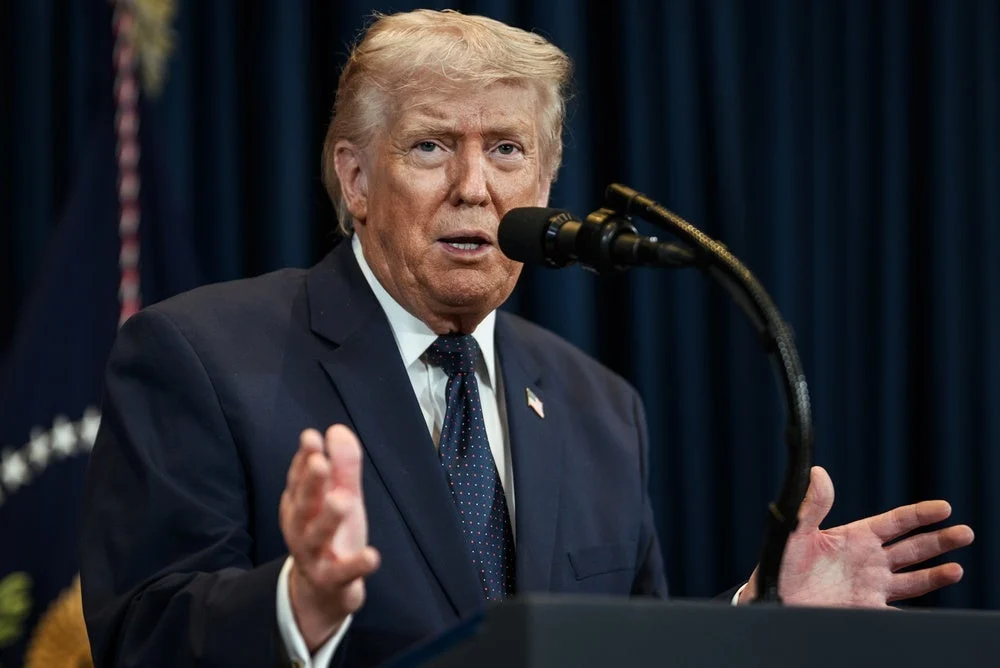
Following a period of relative immunity from US import tariffs, the global generics sector now faces the prospect of substantial taxes, as former President Donald Trump outlines plans to introduce significant tariffs on generic pharmaceuticals. This move, framed as a strategy to bolster domestic manufacturing, could profoundly reshape the US healthcare landscape and global pharmaceutical trade dynamics, particularly impacting the affordability and accessibility of medicines relied upon by millions of Americans.
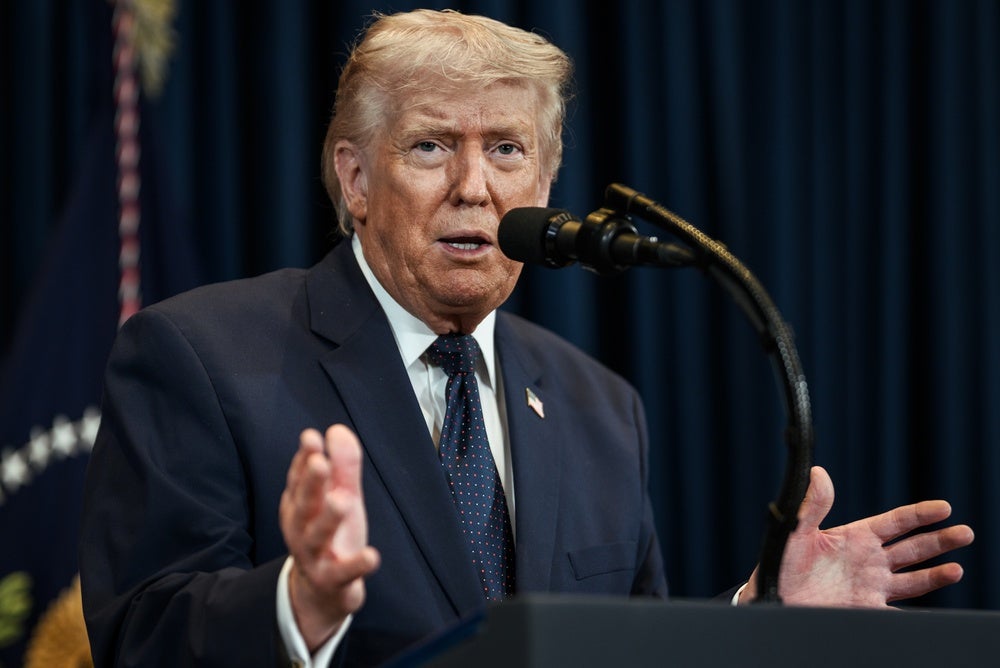
The announcement, made via a Truth Social post on July 21, details a two-tiered tariff system: an initial 100% tariff on all generic drugs imported into the US, slated to begin in 2028, which would then escalate to a staggering 200% the following year. This aggressive stance aims to incentivize the reshoring of drug manufacturing to the United States, addressing long-standing concerns about America’s reliance on foreign generic medicine imports. With generics constituting a critical 90% of all prescriptions filled in the US, the implications of such tariffs are far-reaching and potentially transformative for patients, pharmaceutical companies, and the national economy.
The "America First" Economic Philosophy and Pharmaceutical Reshoring
The proposed tariffs are a direct extension of Donald Trump’s "America First" economic policy, which prioritizes domestic industries through protectionist measures. Throughout his previous administration, Trump frequently utilized tariffs as a tool to pressure foreign manufacturers and encourage US production across various sectors, from steel and aluminum to consumer goods. The pharmaceutical industry, however, often received a more nuanced treatment, with a focus on drug pricing negotiations rather than broad import tariffs, especially for generics. This shift towards blanket tariffs on generics signals an intensified commitment to securing critical supply chains within US borders.
The rationale behind this push for reshoring is multifaceted. Proponents argue that a robust domestic manufacturing base for essential medicines is vital for national security and public health. The COVID-19 pandemic starkly illuminated vulnerabilities in global supply chains, leading to shortages of critical drugs, personal protective equipment, and raw materials. This experience underscored the risks associated with an overreliance on foreign production, particularly from countries with geopolitical complexities or differing regulatory standards. By bringing manufacturing home, the argument goes, the US can ensure a stable, secure, and independent supply of essential medicines, reducing susceptibility to international disruptions or geopolitical pressures.
A Detailed Timeline of Proposed Tariffs and Penalties
The specific timeline for these proposed tariffs, as outlined in Trump’s July 21 Truth Social post, is critical for understanding their potential impact. The year 2028 marks the beginning of the 100% tariff phase, providing a grace period for the industry to adapt. However, this period is short-lived, as the rate is set to double to 200% in 2029. This escalating tariff structure is designed to exert maximum pressure on pharmaceutical companies to relocate manufacturing facilities to the US within a relatively tight timeframe.
Further emphasizing this imperative, Trump has also threatened companies that fail to "build plant and equipment within the stated period of time given to them" with presumable financial penalties for non-compliance. This coercive approach mirrors tactics employed during his previous tenure, where companies faced significant financial repercussions for not aligning with administration policies. The exact nature of these penalties remains unspecified, but they are expected to be substantial enough to serve as a powerful deterrent against inaction. This strategy aims to accelerate the transition to domestic production, forcing companies to make significant investment decisions well in advance of the 2028 deadline.
The Indispensable Role of Generic Drugs in US Healthcare
Generic drugs are the backbone of the American healthcare system, making up an astonishing 90% of all prescriptions. Their widespread use is primarily due to their affordability; generic alternatives typically cost significantly less than their branded counterparts, making essential medicines accessible to a broader population. This cost-effectiveness is crucial for patients, insurance providers, and government healthcare programs like Medicare and Medicaid, which collectively spend billions annually on prescription drugs. Without affordable generics, the financial burden on individuals and the healthcare system would skyrocket, potentially leading to reduced medication adherence and poorer health outcomes.
The global nature of generic drug production is also a key factor. Research from the US Pharmacopeia indicates that more than half of the active pharmaceutical ingredients (APIs) used in generic drugs prescribed in the US are sourced from India and the European Union. India, in particular, has emerged as the "pharmacy of the world," producing a vast quantity of generic medicines and APIs that supply markets globally, including the US. This intricate global supply chain has historically allowed for efficient, cost-effective production, benefiting consumers with lower drug prices. Disrupting this established network through high tariffs could unravel decades of global pharmaceutical development and trade.
Economic Implications and Potential Ripple Effects
The proposed tariffs carry a multitude of economic implications, threatening to reshape the pharmaceutical industry from manufacturing to patient access.
- Soaring Drug Prices for US Consumers: The most immediate and significant impact of 100% or 200% tariffs would be a dramatic increase in the cost of generic drugs. As Ravi Varanasi, founding partner of SPRV Consultants, succinctly puts it in a LinkedIn post, such tariffs could "raise prices, eliminate marginal suppliers and increase the risk of drug shortages." Tariffs are ultimately taxes paid by importers, which are then passed on to consumers. For generic drugs, which already operate on much thinner profit margins than branded medications, these tariffs could easily double or triple the price at the end consumer, rendering many essential medicines unaffordable for millions. This directly contradicts the goal of making healthcare more accessible and affordable.
- Risk of Drug Shortages: Higher costs and the potential exit of foreign suppliers from the US market could lead to widespread drug shortages. If international manufacturers find it unprofitable to export to the US under the new tariff regime, they may cease operations or redirect supplies to other markets. The time and capital required for US companies to scale up domestic production to meet 90% of the nation’s prescription needs is immense, potentially creating a significant gap in supply during the transition period. Such shortages could have severe public health consequences, particularly for drugs used in chronic conditions, emergency care, or essential treatments.
- Impact on International Manufacturers, Especially India: India, as a "mainstay supplier" of US generics, stands to bear a substantial brunt of these import taxes. Indian pharmaceutical companies, which have invested heavily in R&D and manufacturing capabilities to meet global standards, would face immense pressure. Salil Kallianpur, ex-GSK EVP and founder of Arks Knowledge Consulting, emphasized that "protecting market share in the long run will require Indian companies to focus on accelerating US manufacturing, expanding contract manufacturing partnerships, and navigating trade negotiations for exemptions." This could force Indian companies to make difficult strategic choices: invest heavily in US-based facilities, seek US contract manufacturing partners, or potentially reduce their presence in the US market, shifting focus to other countries without such tariffs.
- Challenges for Generic vs. Branded Manufacturers: Varanasi further highlights a crucial distinction: "Patented drug manufacturers, with their high margins, may announce American factories and negotiate exemptions. Generic manufacturers often cannot." Branded drug companies, with their significant R&D costs and intellectual property protection, enjoy much higher profit margins, giving them more financial flexibility to absorb tariff costs or invest in new US facilities. Generic manufacturers, by contrast, operate in a highly competitive, price-sensitive market with thin margins, making it far more challenging for them to absorb steep tariffs or undertake massive capital investments in new US production without significant price increases.
- Broader Economic Burden: The financial burden of these tariffs would ultimately fall on "American patients, hospitals, insurers and taxpayers," as Varanasi notes. Hospitals would face higher procurement costs, insurers would see increased claims, and taxpayers would potentially fund higher drug costs through government programs. This could trigger a cycle of inflation within the healthcare sector, eroding the very economic benefits the tariffs are ostensibly designed to create.
- Global Trade Relations and Retaliation: Imposing such high tariffs could provoke retaliatory measures from affected countries, particularly those heavily involved in generic drug manufacturing. This could escalate into broader trade disputes, affecting other sectors of the US economy and potentially leading to a fragmentation of the global pharmaceutical supply chain. Such actions could also strain diplomatic relations with key allies and trading partners, further complicating international cooperation on health and economic matters.
Precedents and Previous Tariff Negotiations
This is not the first time the Trump administration has used tariffs as a negotiating tool in the pharmaceutical sector. During his previous term, tariffs were imposed on certain branded pharmaceuticals, prompting several larger pharma companies to "ink drug pricing deals" with the White House to secure tariff reprieve. These deals often involved commitments to lower drug prices or specific investments, demonstrating a willingness by the administration to use tariffs as leverage for broader policy goals.
A key precedent for differential treatment based on negotiations is the series of deals struck with various countries. The UK, for instance, secured zero tariffs following a pharma trade deal. However, this came at an estimated economic cost of around £45 billion ($60 billion) to the UK National Health Service (NHS), illustrating that even "favorable" deals can carry significant financial burdens. Similarly, the EU, Japan, South Korea, Liechtenstein, and Switzerland all managed to cap their tariffs at 15% after striking deals with the White House. These examples highlight the administration’s transactional approach to trade policy, where exemptions or reduced rates are granted in exchange for concessions or strategic partnerships.
The absence of such a deal for India, a major generic supplier, raises significant concerns. It implies that Indian manufacturers may face the full brunt of the proposed 100%-200% tariffs unless a specific agreement is reached. This places Indian companies at a distinct disadvantage compared to their counterparts in Europe or Japan, potentially forcing them to make difficult decisions about their presence in the US market.
Challenges and Feasibility of Pharmaceutical Reshoring
While the stated goal of reshoring drug manufacturing to the US is compelling from a national security perspective, the practical challenges are immense.
- Complexity of Pharmaceutical Manufacturing: Pharmaceutical production is not easily moved. It involves highly specialized equipment, advanced technology, stringent regulatory requirements (e.g., FDA approvals), and a skilled workforce with expertise in chemistry, engineering, and quality control. Building new, compliant facilities in the US requires significant capital investment, lengthy regulatory approval processes, and the development of a specialized labor pool, all of which take years, not months.
- Time and Capital Investment: Establishing a pharmaceutical manufacturing plant, especially for APIs, can cost hundreds of millions to billions of dollars and take anywhere from five to ten years to become fully operational and FDA-approved. The proposed tariff timeline (2028-2029) offers insufficient time for such a massive industrial transition without severe market disruption. Companies would need to start investing immediately, with no guarantee of future policy continuity or market conditions.
- Economic Competitiveness: Foreign manufacturers, particularly those in India and China, benefit from lower labor costs, established infrastructure, and sometimes more streamlined regulatory environments, allowing them to produce generics at significantly lower prices. Even with tariffs, it remains to be seen if US-based production can achieve competitive pricing without continuous government subsidies or protection, which could become a permanent cost to taxpayers.
- Integrated Global Supply Chains: The pharmaceutical supply chain is deeply integrated and globalized. Raw materials often come from one country, APIs from another, and finished dosage forms from a third. Reshoring might address one part of the chain but leave other dependencies intact, or create new vulnerabilities. A truly self-sufficient pharmaceutical supply chain in the US would require an overhaul of numerous upstream industries as well.
- Sustainability of Investment: Companies making such large investments would require long-term policy stability and certainty. The risk of future administrations reversing tariff policies or negotiating new trade deals could deter companies from committing the necessary capital and resources.
A Pivotal Moment for the Pharmaceutical Industry
The proposed 100% to 200% tariffs on generic drug imports represent a pivotal moment for the US healthcare system and the global pharmaceutical industry. While the policy is advertised as a means to "reshoring medicines, protecting security and restoring jobs," experts like Ravi Varanasi warn that it "may instead reshore inflation while weakening supply reliability."
The coming years will see intense lobbying efforts, strategic re-evaluations by pharmaceutical companies worldwide, and potentially complex trade negotiations. The decisions made will not only determine the future location of drug manufacturing but will also directly impact the cost and availability of essential medicines for millions of American patients. Balancing the imperatives of national security and supply chain resilience with the fundamental need for affordable and accessible healthcare will be the central challenge as these proposed tariffs move from political rhetoric to potential policy implementation. The stakes are undeniably high for all involved parties, from global pharmaceutical giants to the individual patient at the pharmacy counter.