
The landscape of herbal supplements and addiction medicine is currently facing a seismic shift as federal regulators, medical researchers, and public health advocates grapple with the rapidly evolving market for kratom and its most potent alkaloid, 7-hydroxymitragynine (7-OH). Once a niche botanical product used primarily in Southeast Asia, kratom has transformed into a multi-billion-dollar industry in the United States, sparking a fierce debate that mirrors the controversies surrounding electronic cigarettes: Is it a life-saving tool for harm reduction, or a dangerous, unregulated gateway to opioid dependency?
n
Main Facts: The Dual Nature of Mitragyna Speciosa
n
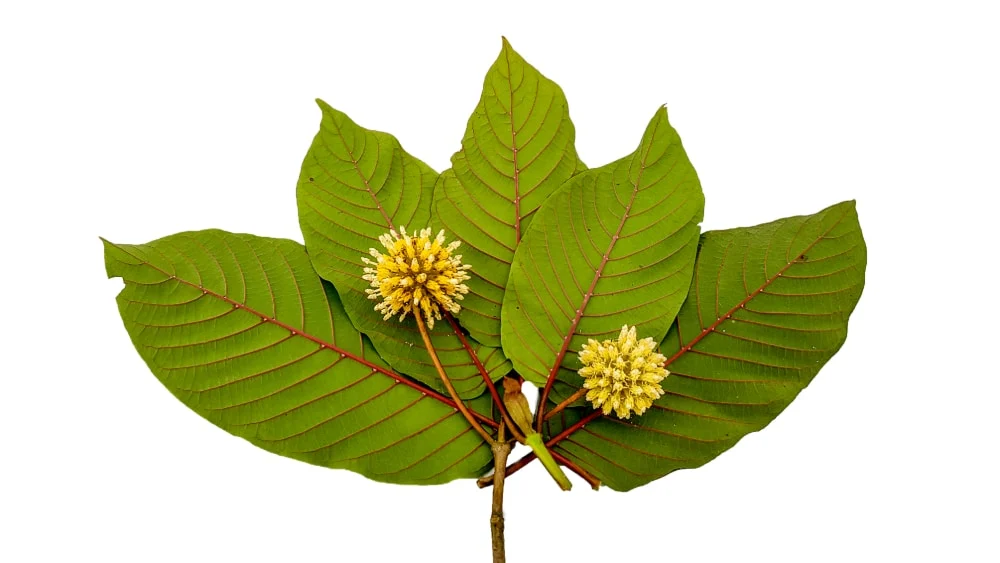
Kratom is derived from the leaves of Mitragyna speciosa, a tropical evergreen tree native to Southeast Asia, including Thailand, Malaysia, and Indonesia. For centuries, indigenous populations used the leaves for their medicinal properties—chewing them to stave off fatigue during manual labor or brewing them into teas to alleviate pain.
n
What makes kratom unique among botanical substances is its complex pharmacology. It contains over 40 alkaloids, the most prominent being mitragynine and 7-hydroxymitragynine (7-OH). At low dosages, kratom acts as a mild stimulant, providing users with increased energy and focus. However, at higher dosages, it interacts significantly with the brain’s mu-opioid receptors, producing analgesic (pain-relieving) effects and euphoria similar to traditional opioids like oxycodone or morphine.
n
The current crisis centers not just on the raw leaf, but on concentrated extracts. Specifically, 7-OH has come under intense scrutiny. While naturally occurring in small amounts within the leaf, many modern products are "lab-made" or synthetic concentrates. These products offer 7-OH in concentrations far exceeding what is found in nature, leading to a much higher potential for addiction and lethal respiratory depression.
n
Chronology: From Traditional Use to Federal Crackdown
n
The journey of kratom from a traditional remedy to a Schedule I candidate is marked by years of regulatory uncertainty and shifting public perception.
n
- n
- Centuries of Traditional Use: Historically, kratom was used in Southeast Asia for pain management and as a substitute for opium when the latter was unavailable or too expensive.
- Early 2000s: Kratom begins to appear in the United States, marketed primarily in "head shops" and online as a natural supplement for anxiety and chronic pain.
- 2016: The U.S. Drug Enforcement Administration (DEA) first attempted to place kratom into Schedule I. An unprecedented public outcry and pressure from members of Congress forced the DEA to withdraw the proposal, a rare move for the agency.
- 2019–2023: As the opioid epidemic intensified, kratom use surged. Advocates marketed it as a "safe" way to transition off fentanyl and heroin. During this period, several states began passing the Kratom Consumer Protection Act (KCPA) to regulate the market, while others moved toward total bans.
- July 1, 2026: The DEA published a formal notice in the Federal Register of its intent to "temporarily" schedule 7-OH and related substances under Schedule I of the Controlled Substances Act. This move was prompted by an increase in hospitalizations and overdose deaths linked to high-potency synthetic kratom products.
- July 31, 2026: The public comment period for the DEA’s proposal concluded. As of late 2026, the medical and manufacturing communities are awaiting a final ruling that could effectively criminalize the possession and sale of concentrated kratom products nationwide.
n
n
n
n
n
n
n
Supporting Data: The Pharmacology and the Risks
n
Recent research published by the University of Michigan’s Institute for Healthcare Policy and Innovation (IHPI) highlights the precarious balance of kratom’s benefits and risks. Kara Gavin, a prominent researcher and journalist with IHPI, notes that the rise of 7-OH has fundamentally changed the risk profile of the substance.
n
Potency and Addiction
n
While mitragynine is considered a "partial agonist" of opioid receptors—meaning it has a "ceiling effect" that limits its danger—7-OH is significantly more potent. Data suggests that 7-OH has a higher affinity for opioid receptors than morphine. When users consume synthetic 7-OH, they often develop a rapid tolerance. This leads to a "chasing" effect, where individuals require ever-increasing doses to achieve the same level of pain relief or euphoria, eventually resulting in a clinical Opioid Use Disorder (OUD).
n
The Regulatory Patchwork
n
As of mid-2026, the legal status of kratom in the U.S. remains a confusing mosaic:
n
- n
- 19 States: Maintain no regulations. Kratom and 7-OH can be sold to minors, and there are no requirements for purity or labeling.
- 8 States: Have enacted total bans, classifying kratom as a controlled substance.
- Remainder of States: Have adopted versions of the Kratom Consumer Protection Act (KCPA). This legislation generally mandates that products be tested for heavy metals and contaminants, prohibits synthetic 7-OH, and restricts sales to individuals over 18 or 21.
n
n
n
n
Mortality and Adverse Events
n
According to the CDC and various state health departments, kratom-associated deaths often involve polydrug use (combining kratom with benzodiazepines or alcohol). However, the emergence of pure 7-OH extracts has led to cases of "isolated kratom toxicity," where the concentration of the alkaloid was high enough to cause fatal respiratory failure on its own.
n
Official Responses: Healthcare Providers vs. Federal Regulators
n
The federal government’s move to schedule 7-OH has met with a mixed response from the medical community. While there is a consensus that unregulated synthetic extracts are dangerous, there is significant concern that a blanket ban will backfire.
The DEA’s Stance
The DEA argues that the temporary scheduling is a necessary "emergency" measure to protect the public. By placing 7-OH in Schedule I, the agency effectively declares that the substance has "no currently accepted medical use and a high potential for abuse." This would allow federal law enforcement to target manufacturers and distributors of the high-potency extracts that have flooded the market.
The Clinical Perspective
Dr. Eliza Hutchinson, head of the Medications for Addiction Treatment (MAT) team at the Packard Health Clinic in Ann Arbor, Michigan, provides a boots-on-the-ground perspective. Dr. Hutchinson has seen a marked increase in patients seeking help for kratom dependency.
"We are seeing patients who started using kratom to get off OxyContin or fentanyl, but now they are trapped in a cycle of kratom use that is just as disruptive to their lives," Dr. Hutchinson stated in an interview with Kara Gavin.
Interestingly, Dr. Hutchinson and her team have found success treating kratom addiction with buprenorphine—the same medication used to treat heroin and fentanyl addiction. This confirms the biological reality that, at high enough concentrations, kratom functions identically to traditional opioids.
Implications: The "Iron Law of Prohibition"
The looming DEA reclassification carries heavy implications for public health and the future of addiction treatment.
The Risk of Displacement
One of the primary fears among clinicians like Dr. Hutchinson is the "Iron Law of Prohibition." This theory suggests that when a drug is banned or its supply is restricted, the market inevitably shifts toward more potent and dangerous alternatives.
If kratom and 7-OH are suddenly removed from the shelves of gas stations and specialty shops, thousands of people currently dependent on the substance will face acute withdrawal. Without immediate access to MAT (Medication-Assisted Treatment), there is a significant risk that these individuals will turn to the black market for fentanyl to stave off withdrawal symptoms.
The Impact on Research
By placing 7-OH in Schedule I, the DEA may inadvertently stifle legitimate scientific research. Obtaining the necessary licenses to study Schedule I substances is a notoriously difficult and expensive process for universities. This could halt promising research into how kratom alkaloids might be refined into safer, non-respiratory-depressing painkillers.
The Future of Regulation
Many advocates argue that the solution is not a federal ban, but federal regulation. They point to the KCPA as a model: keeping the natural leaf available for adults while banning the dangerous synthetic concentrates (7-OH) and requiring rigorous third-party testing. This would mirror the regulation of alcohol or tobacco—substances that are addictive and potentially harmful but are managed through age limits and quality controls rather than total prohibition.
Conclusion
As the DEA prepares its final ruling, the kratom debate serves as a microcosm of the broader American struggle with substance use. It pits the "naturalist" view of botanical supplements against the "prohibitionist" view of federal drug control, with medical professionals caught in the middle.
The upcoming months will be critical. If the DEA proceeds with Schedule I status, the U.S. may witness a new wave of individuals entering the healthcare system for opioid withdrawal. For now, experts recommend that anyone struggling with kratom or 7-OH dependency seek professional help through resources like FindTreatment.gov. The message from the medical community is clear: whether a substance comes from a tree or a lab, if it acts like an opioid, it must be treated with the same clinical caution and respect.

