
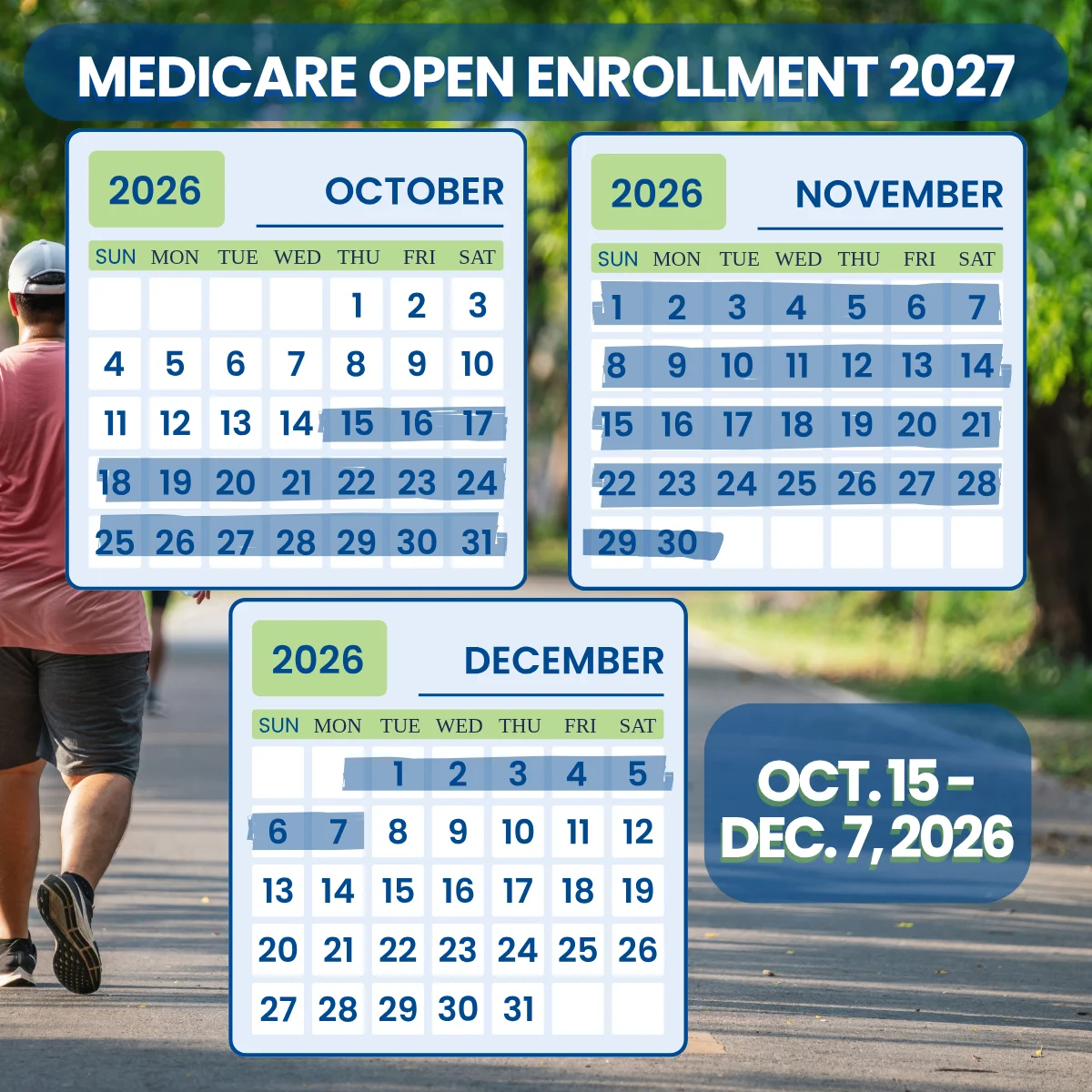
WASHINGTON D.C. — As the annual Medicare Open Enrollment period approaches, millions of American seniors are facing a significantly altered landscape. While the period between October 15 and December 7 has traditionally been a time for routine plan adjustments, the upcoming 2027 coverage year introduces a pivotal shift for beneficiaries, particularly those living with obesity. The catalyst for this urgency is the newly established Medicare GLP-1 Bridge program, a temporary initiative designed to provide unprecedented access to high-demand medications.
n
For years, many Medicare beneficiaries opted out of Part D prescription drug coverage, citing low medication needs or the high costs of monthly premiums. However, with the July
n
1, 2026, launch of the GLP-1 Bridge, the strategic value of Part D has shifted from a secondary consideration to an essential prerequisite for modern metabolic healthcare.
n
n
Main Facts: The Intersection of Part D and GLP-1 Access
n
The Medicare GLP-1 Bridge program represents a landmark shift in how the federal government addresses obesity. Historically, Medicare was prohibited by statute from covering medications specifically for weight loss. The Bridge program, however, provides a temporary pathway for eligible beneficiaries to access certain Glucagon-like peptide-1 (GLP-1) receptor agonists for a fixed $50 monthly copay.
n
Despite its benefits, the program comes with a strict administrative "catch": participation is predicated on enrollment in a Medicare Part D plan or a Medicare Advantage plan with prescription drug coverage (MA-PD). For the thousands of seniors who currently lack prescription coverage, the current Open Enrollment window is the final opportunity to secure eligibility for the 2027 benefit year.
n
Key components of the current landscape include:
n
- n
- The Enrollment Window: October 15 through December 7.
- The Requirement: Active Part D or MA-PD enrollment is mandatory for GLP-1 Bridge eligibility.
- The Cost-Saving: A standardized $50 monthly copay for eligible medications under the Bridge program.
- The Penalty Risk: Seniors re-entering the Part D market may face lifelong financial surcharges known as Late Enrollment Penalties (LEP).
n
n
n
n
n
n
Chronology: From Exclusion to the "Bridge" Era
n
The journey toward obesity medication coverage in Medicare has been a decades-long legislative and clinical struggle. Understanding the current "Bridge" requires looking at the timeline of Medicare policy:
n
2003: The Medicare Modernization ActnWhen Medicare Part D was created, the legislation explicitly excluded "weight loss drugs" from coverage. This was based on a dated perception of obesity as a lifestyle choice rather than a chronic disease. For over twenty years, this exclusion stood even as GLP-1 medications like Ozempic and Wegovy revolutionized the treatment of Type 2 diabetes and obesity.
n
2023-2025: Clinical Breakthroughs and Public PressurenThe surge in clinical data showing that GLP-1s do more than just reduce weight—they lower the risk of heart attacks, strokes, and kidney disease—put immense pressure on the Centers for Medicare & Medicaid Services (CMS). Advocacy groups, such as the Obesity Action Committee (OAC), began pushing for the "Treat and Reduce Obesity Act" (TROA).
n
July 1, 2026: Launch of the Medicare GLP-1 BridgenAcknowledging the high cost of these medications and the lag in permanent legislative changes, the Bridge program was initiated. It serves as a temporary measure to provide affordable access ($50 copays) while broader policy reforms are debated in Congress.
n
October 15 – December 7: The Critical Decision WindownFor the 2027 coverage year, this window serves as the gatekeeper. Beneficiaries without Part D must enroll now to ensure they are eligible for the Bridge program throughout the next calendar year.
n
n
Supporting Data: The Financial Implications of Late Enrollment
n
One of the most significant barriers to re-entering Medicare Part D is the Late Enrollment Penalty (LEP). This is a permanent increase in the monthly premium, designed to encourage seniors to enroll as soon as they become eligible.
n
Calculating the PenaltynThe penalty is calculated as 1% of the "national base beneficiary premium" for every full, uncovered month that a beneficiary went without "creditable" coverage. Creditable coverage is defined as a plan (often through a former employer or union) that is expected to pay at least as much as Medicare’s standard drug coverage.
- Scenario A: A senior who delayed Part D for 36 months (3 years) would face a 36% surcharge on their monthly premium for the rest of their life.
- Scenario B: A senior who has been without coverage for 10 years would face a 120% surcharge, more than doubling their monthly premium.
The "63-Day Rule"
The penalty only triggers if a beneficiary goes 63 days or more in a row without Part D or other creditable coverage. This makes the Open Enrollment period a high-stakes timeframe for those who may have recently lost employer-sponsored insurance.
Exceptions and Assistance
Data from CMS suggests that low-income seniors may be exempt from these penalties. Those who qualify for "Extra Help" (the Part D Low-Income Subsidy) generally do not have to pay the late enrollment penalty, regardless of how long they waited to enroll.
Official Responses and Expert Guidance
Healthcare policy experts and patient advocacy groups are urging seniors to look beyond the "sticker price" of monthly premiums during this enrollment cycle.
The Obesity Action Committee (OAC) has been vocal about the necessity of preparation. "Choosing whether and how to enroll in Medicare prescription drug coverage is an individual decision," the OAC stated in a recent advisory. "Understanding your options, potential costs, and any late enrollment penalty can help you make an informed choice."
CMS Guidance on Plan Selection
Medicare officials recommend a three-step approach to evaluating plans on Medicare.gov:
- Formulary Review: Every Part D plan has a "formulary" or list of covered drugs. Beneficiaries must ensure their current medications—and potential future medications like GLP-1s—are represented.
- Network Adequacy: Not all pharmacies are in-network for every plan. Using the Plan Compare tool allows users to see which local pharmacies offer the best pricing.
- Utilization Management: Officials warn that many high-cost drugs come with "Prior Authorization" or "Step Therapy" requirements, where a patient must try a cheaper medication before the plan will cover the more expensive one.
Contacting Medicare
For those unsure of their penalty status, official guidance remains consistent: contact 1-800-MEDICARE. Operators can provide a personalized "creditable coverage" history to help beneficiaries calculate their potential monthly costs before they commit to a plan.
Implications: The Future of Senior Health and Economic Stability
The implications of this enrollment period extend far beyond the individual. On a macroeconomic level, the success of the GLP-1 Bridge program could signal a permanent shift in Medicare’s approach to chronic disease management.
Health Outcomes vs. Upfront Costs
While the cost of covering GLP-1s is substantial, proponents argue that the long-term savings are greater. By managing obesity, Medicare may see a reduction in the costs associated with treating its comorbidities, such as heart failure, sleep apnea, and orthopedic surgeries. For the individual senior, the "Bridge" offers a way to avoid the devastating "donut hole" or high coinsurance costs that typically accompany these medications, which can otherwise retail for over $1,000 per month.
The Shift in "Creditable Coverage"
The definition of what constitutes "good" coverage is evolving. As more employers drop retiree drug benefits, more seniors are entering the Medicare market late in life. This trend is putting the Late Enrollment Penalty under increased scrutiny, with some advocates calling for a "grace period" or a one-time waiver to facilitate access to the GLP-1 Bridge.
Digital Literacy and Access
The reliance on the "Bridge Navigator" and Medicare.gov tools highlights a growing digital divide. For the Bridge program to be effective, there is an urgent need for community-based support to help seniors navigate the complex online comparison tools.
Conclusion: A Decisive Moment
As the December 7 deadline approaches, the message from health advocates and policy experts is clear: the cost of inaction has never been higher. For seniors living with obesity, the decision to enroll in Medicare Part D is no longer just about current prescriptions—it is a strategic move to secure access to life-changing medical technology in 2027.
By weighing the lifelong impact of late enrollment penalties against the immediate $50-per-month benefit of the GLP-1 Bridge, beneficiaries must act now to ensure they are not left behind as the "Bridge" to modern obesity care opens its gates.
Resource Summary for Beneficiaries:
- Medicare Open Enrollment: Oct. 15 – Dec. 7
- Official Plan Comparison: Medicare.gov
- Obesity-Specific Resources: Obesity Action Committee Bridge Navigator
- Direct Assistance: 1-800-MEDICARE (1-800-633-4227)

