
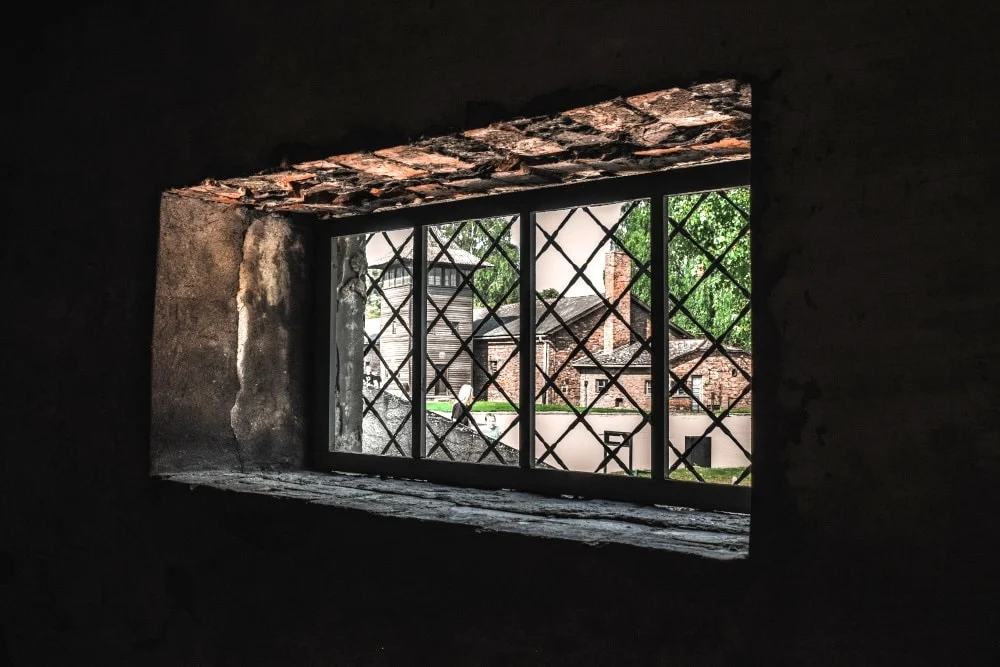
The landscape of addiction treatment in 2026 remains a complex intersection of socioeconomic privilege, medical trial-and-error, and shifting demographic trends. While the public perception of rehabilitation often involves serene, campus-like settings designed for healing, the reality for the majority of American families is far grimmer. Because of prohibitive costs and a lack of localized infrastructure, a significant portion of those suffering from substance use disorders—even those who are highly motivated to seek help—will never step foot inside a residential treatment facility.
n
As the nation grapples with an evolving drug crisis, new data suggests a troubling paradox in how treatment is administered, particularly among the youth. While teenage girls are now misusing prescription opioids and stimulants at higher rates than their male counterparts, they remain significantly less likely to receive professional intervention. This disparity, combined with the physiological hurdles of withdrawal and the psychological burden of long-term sobriety, paints a challenging picture for the future of addiction recovery in the United States.
n
Main Facts: The Accessibility Crisis and the Rehab Ideal
n
Residential rehabilitation is often marketed as the "gold standard" of addiction care. In theory, it provides a controlled environment that is a hybrid of a collegiate dormitory and a high-acuity medical ward. For many "hardcore" addicts, this immersion is seen as the only way to break the cycle of dependency. However, this model of care is increasingly becoming a luxury of the upper-middle class.
n
Every year, thousands of parents face a harrowing financial crossroads. The cost of a 30- to 90-day stay in a private residential facility can equal or exceed the price of a four-year university education. Beyond the financial trauma, there is a persistent social "tax" associated with rehab. Despite decades of advocacy to destigmatize addiction, many families still view a child’s entry into treatment as a mark of parental failure.
n
Furthermore, the "one size fits all" approach that dominated the late 20th century is proving ineffective against the modern cocktail of synthetic substances. In 2026, the primary substances leading to admission include marijuana and hashish (62.6%) and alcohol (7.5%), but a staggering 21.3% of admissions involve "unspecified" or poly-substance use, making standardized treatment protocols difficult to implement.
n
Chronology: From Social Concealment to Clinical Intervention
n
The way society handles the "disappearance" of its youth has undergone a radical transformation over the last century. In previous generations, social scandals were managed through geographic distance. A young woman who found herself in a "difficult situation"—often an unplanned pregnancy—would be sent away to visit a distant relative. She would return months later, having studied European geography or domestic arts to maintain the facade of a grand tour or an educational retreat.
n
In the 21st century, the reason for a teenager’s sudden absence from the community has shifted from social indiscretion to chemical dependency. However, the impulse for concealment remains. Parents today often find themselves in a similar position of "explaining away" a child’s absence, though the stakes are now focused on clinical survival rather than mere reputation.
n
The transition from the "moral failing" model of the early 1900s to the "disease model" of the late 20th century brought addiction into the medical sphere. By the 2010s, the opioid epidemic forced a massive expansion of the rehab industry. However, by 2023 and into 2026, the data began to show that while the industry grew, it did not grow equitably. The gender gap in treatment admissions became a glaring statistical anomaly that researchers are only now beginning to fully quantify.
n
Supporting Data: The Gender Paradox in Teen Addiction
n
Recent statistics from 2023 and 2024 highlight a stark divide in who receives help. Despite a higher prevalence of certain types of drug misuse among females, the population in treatment centers remains overwhelmingly male.
n
The Admission Gap
n
In 2023, the demographic breakdown of youth admissions to residential treatment programs showed a significant imbalance:
n
- n
- Male Youth Admissions: 61.4%
- Female Youth Admissions: 38.5%
n
n
n
This occurs despite the fact that girls between the ages of 12 and 17 are statistically more likely to misuse all types of prescription opioids and stimulants than boys in the same age bracket.
n
Substance Trends at Admission
n
The primary substances reported at the time of admission for adolescents reflect a changing drug landscape:
n
- n
- Marijuana/Hashish: 62.6%
- Unreported/Other: 21.3%
- Alcohol: 7.5%
n
n
n
n
Sociological Hypothesis
n
Sociologists suggest that the disparity in treatment may be rooted in traditional gender expectations. There is a prevailing, albeit often unconscious, assumption among many families that male children must be "fixed" at any cost to ensure they can eventually enter the workforce, support a family, and fulfill a traditional provider role. Conversely, the stigma for young women remains uniquely punitive, perhaps leading to more internal concealment and less external intervention until a crisis becomes unavoidable.
n
Official Responses and Medical Perspectives: The Brutal Reality of Detox
n
Medical professionals and addiction specialists emphasize that getting a patient into a bed is only the beginning of a grueling physiological process. Anna-Grace Washington, a prominent medical writer and addiction specialist, notes that the clinical "one size fits all" model is a fallacy because the human body reacts to withdrawal with extreme variance.
The Complexity of Withdrawal
According to Washington, the severity of withdrawal is dictated by several variables:
- Body composition and metabolic rate.
- The specific chemical profile of the drug.
- Duration of use.
- The presence of multiple substances (poly-substance abuse).
The physical manifestations of "getting clean" are exhaustive and, in some cases, life-threatening. Clinical reports list a wide array of symptoms that patients must endure during the initial phase of residential treatment, including nausea, vomiting, abdominal cramps, heart palpitations, racing heartbeat, and hallucinations. In severe cases, particularly with alcohol or benzodiazepine withdrawal, patients may suffer from strokes or seizures.
The Failure of the "Clean Slate"
A growing concern among clinicians is the "optimistic opportunist" phenomenon. Some patients view the pain of withdrawal not as a deterrent, but as a "reset button." After a period of residential abstinence, the body’s tolerance for a drug drops significantly.
Medical experts warn that this is a period of extreme danger. If a patient returns to the street and resumes use at their previous dosage, the result is often a fatal overdose because the "cleaned out" body can no longer handle the potency. For these individuals, rehab unintentionally serves as a tolerance-lowering mechanism rather than a recovery tool.
Implications: The "Rest of Your Life" Challenge
The most profound implication of the current state of addiction treatment is the realization that residential rehab is merely a "curtain-raiser." The physical detox, while agonizing, is the shortest phase of the journey. The true challenge lies in the decades that follow—a period often referred to by counselors as "the rest of your life."
The Economic and Social Aftermath
For the families who do manage to afford residential treatment, the return home is often fraught with anxiety. The "shaky and uncertain" reward of sobriety means that the individual must spend the rest of their existence avoiding not just their primary drug of choice, but all potentially addictive substances. This creates a lifelong state of hyper-vigilance that can be exhausting for both the recoveree and their support system.
The Need for Systemic Reform
The data suggests that the current model of residential rehab is failing to reach the demographics that need it most—specifically young women and those without high-end insurance or significant liquid assets. To address the 2026 addiction crisis, experts suggest several shifts in policy:
- Gender-Specific Outreach: Programs designed to address the unique social pressures and biological factors affecting teenage girls.
- Community-Based Alternatives: Developing intensive outpatient models that provide the clinical rigor of residential care without the prohibitive room-and-board costs.
- Aftercare Integration: Moving away from the "90-day cure" mentality and toward a model of long-term, low-intensity support that lasts for years, not weeks.
Conclusion
As we look toward the future of addiction recovery, it is clear that the "dorm and hospital" model of residential rehab is a tool that is both indispensable and deeply flawed. While it provides a necessary sanctuary for many to survive the initial horrors of withdrawal, it remains an inaccessible dream for most. For those who do make it through the barred windows of the clinic and back into the world, the victory is rarely "tremendous and overwhelming." Instead, it is a quiet, daily, and often fragile commitment to a life of abstinence—a tall order that requires far more than just a 30-day stay in a comfortable room.

