
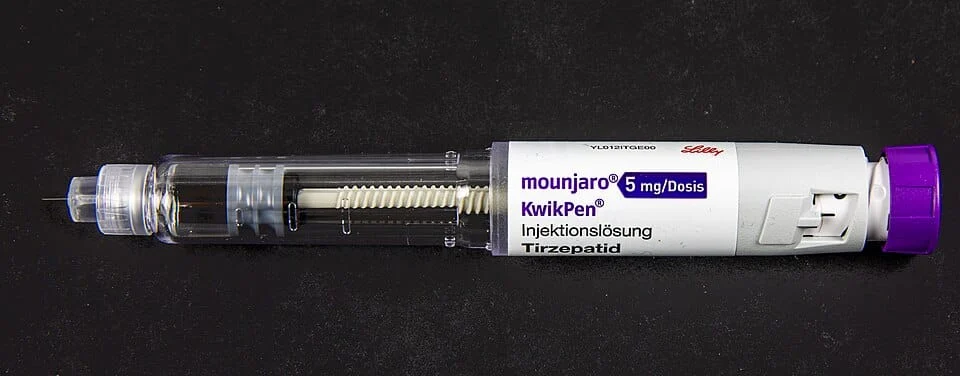
The medical landscape for treating obesity and Type 2 diabetes has undergone a seismic shift over the last decade, primarily driven by the advent and proliferation of Glucagon-like peptide-1 (GLP-1) receptor agonists. While these medications—marketed under names like Ozempic, Wegovy, Mounjaro, and Zepbound—have been utilized for diabetic care for over twenty years, their application as a primary intervention for chronic weight management is a more recent phenomenon.
n
As the initial "hype" phase of these "miracle drugs" transitions into a period of sustained clinical scrutiny, researchers are now looking past the first six months of treatment to ask a more critical question: How do these drugs perform over the long term? Recent meta-analyses and expert consensus panels published throughout 2025 and 2026 suggest that while GLP-1s are remarkably effective, they require a fundamental reframing of obesity as a lifelong, relapsing condition rather than a temporary ailment.
n
Main Facts: The New Standard of Obesity Care
n
The core takeaway from recent clinical literature is the definitive superiority of GLP-1 and dual-agonist (GLP-1/GIP) therapies over traditional weight-loss methods. Data suggests that traditional interventions, including calorie-restricted diets and standard behavioral counseling, often result in a weight regain of 30% or more within a single year. In contrast, GLP-1 medications demonstrate the ability to maintain weight loss as long as the pharmacological intervention remains active.
n
However, the data also reveals a complex reality: the trajectory of weight loss is not infinite. Clinical evidence now points to a "plateau effect" occurring around the two-year mark. Furthermore, the high efficacy of these drugs is tethered strictly to medication adherence. Unlike an antibiotic that cures an infection, GLP-1s function more like statins for cholesterol or ACE inhibitors for hypertension; they manage a chronic state that returns once the stimulus is removed.
n
Chronology of Clinical Insight (2025–2026)
n
The understanding of GLP-1 long-term efficacy has evolved rapidly through a series of landmark studies published between July 2025 and late 2026.
n
July 2025: Reframing the Chronic Disease Model
n
The Cureus Journal of Medical Science published a foundational review that filtered through 724 studies to identify six high-quality, randomized controlled human trials with follow-ups exceeding two years. This review was pivotal in establishing that obesity must be treated with "sustained pharmacological intervention." It highlighted that Liraglutide, an earlier GLP-1, showed enhanced efficacy when paired with lifestyle interventions, though the drug itself provided the biological heavy lifting.
n
September 2025: The Scale of Success and the Adherence Gap
n
By September 2025, two major meta-analyses were released. Surgical Endoscopy published an analysis of 54 studies involving nearly 60,000 patients. This massive data set confirmed that Semaglutide and Tirzepatide were the top-tier performers for both weight loss and the management of comorbidities like hypertension. Crucially, this study introduced the "adherence crisis," noting that non-compliance dramatically erodes the drug’s impact, though it did not fully explore the socioeconomic or physiological reasons for this non-compliance.
n
Simultaneously, Diabetes, Metabolic Syndrome and Obesity released a systematic review of 55 trials involving 19,000 patients. This study was the first to clearly map the "long-term efficacy trajectory," identifying that weight loss often plateaus or even slightly reverses after 24 months, even if the dosage remains constant.
n
September 2026: The Shift Toward Phenotyping
n
The most recent development came in late 2026, when an expert panel led by Dr. Davide Brancato and 15 clinicians published recommendations in Frontiers in Endocrinology. This marked a shift from simply prescribing the drug to "baseline phenotyping"—understanding the psychological and behavioral drivers of a patient’s weight gain before the first injection is ever administered.
n
Supporting Data: Efficacy, Plateaus, and Side Effects
n
The data across these studies provides a granular look at what patients and clinicians can expect over a multi-year period.
n
Comparative Efficacy
n
The meta-analysis in Surgical Endoscopy confirmed a hierarchy of effectiveness:
n
- n
- Tirzepatide: Consistently showed the highest percentage of total body weight loss.
- Semaglutide: Remained the gold standard for sustainable weight loss with a robust safety profile.
- Liraglutide: While effective, it generally yielded lower total weight loss percentages compared to the newer generation of agonists.
n
n
n
n
The Two-Year Plateau
n
Data from Diabetes, Metabolic Syndrome and Obesity suggests that the human body eventually reaches a state of metabolic homeostasis on GLP-1s. After 104 weeks (two years), weight loss trajectories often flatten. In a subset of patients, a "rebound" effect was observed where a small percentage of weight was regained despite continued use. This has led researchers to suggest that "adjunct therapies"—potentially including digital health interventions or secondary medications—should be initiated at the 24-month mark.
n
Tolerability and Safety
n
While concerns regarding pancreatitis were a major talking point in the early days of GLP-1s, the 2025 data shows that the incidence of pancreatitis in GLP-1 patients is not significantly higher than in placebo groups. However, gastrointestinal (GI) distress remains the primary barrier to long-term use.
n
- n
- GI Symptoms: Nausea, vomiting, and diarrhea are the most common reasons for discontinuation.
- Tolerance: Researchers noted that GI symptoms do not necessarily worsen over time, suggesting that the body may develop a level of tolerance to the medication’s side effects if the patient can survive the titration phase.
n
Official Responses and Expert Consensus
The medical community’s response to this data has been a call for a "Precision Medicine" approach to obesity. The expert panel assembled by Dr. Davide Brancato emphasized that the current reliance on Body Mass Index (BMI) and waist circumference is insufficient for long-term success.
The "Baseline Phenotyping" Mandate
Dr. Brancato’s panel argued that clinicians must account for the "behavioral and psychological drivers" of weight gain. The panel identified several key "phenotypes" that should influence treatment:
- Emotional Eaters: Patients who use food as a coping mechanism for stress or trauma.
- Binge Eating Patterns: Patients with a history of loss-of-control eating.
- Night Eating Syndrome: Patients with circadian-disrupted eating patterns.
The consensus is that identifying these patterns allows for a "tailored pharmacological and behavioral approach." For example, an emotional eater might require cognitive behavioral therapy (CBT) alongside a GLP-1 to prevent a rebound when the drug’s appetite-suppressing effects plateau.
Reframing Obesity
The Cureus review issued a stern reminder to the healthcare industry and insurance providers: obesity is not a "short-term condition treatable with lifestyle-only solutions." The official stance is now to align obesity treatment with the management of other chronic diseases. This implies that the expectation of "stopping" the drug once a goal weight is reached is, for many, medically unsound.
Implications: The Future of GLP-1 Management
The findings of these studies have profound implications for patients, healthcare systems, and the pharmaceutical industry.
The Economic and Adherence Challenge
If GLP-1 drugs are required for life, the economic burden becomes a central issue. Non-compliance is often driven by "financial toxicity"—the inability to afford high monthly co-pays over decades. Furthermore, the "adherence gap" mentioned in Surgical Endoscopy suggests that without better support systems, the clinical benefits of these drugs will be lost in real-world applications. This opens the door for digital interventions—apps and remote monitoring tools—to help patients manage side effects and maintain compliance.
The Role of Adjunct Behavioral Therapy
The plateau effect at year two suggests that GLP-1s are not a "set it and forget it" solution. The implication is that the most successful long-term patients will be those who use the "biological window" provided by the drug to rewire their behavioral habits. As the expert panel noted, switching to intensive behavioral therapy prior to or during a medication plateau can reduce the risk of weight regain and potentially allow for lower maintenance doses.
Beyond Weight Loss
The long-term data is shifting the definition of "success." While the public focuses on the number on the scale, the medical community is looking at "clinically meaningful therapeutic targets." This includes the reversal of fatty liver disease, reduction in cardiovascular events, and the stabilization of glycemic control. By identifying a patient’s motivations and psychological profile early on, clinicians can define success in ways that keep patients motivated even when the weight loss stops.
Conclusion
The research from 2025 and 2026 confirms that GLP-1 receptor agonists are the most effective tool currently available for the long-term management of obesity. However, the data also serves as a reality check. These medications are a component of a chronic care model, not a temporary fix.
The future of the field lies in the integration of pharmacology with behavioral science. As weight loss plateaus and biological resistance sets in, the "human element"—psychological phenotyping and lifestyle intervention—becomes the deciding factor in whether the weight stays off. For the millions of users currently on these medications, the message from the experts is clear: the drug starts the journey, but a comprehensive, behavioral, and lifelong strategy is what finishes it.

