
The landscape of substance abuse is undergoing a tectonic shift. Once primarily known as a veterinary anesthetic or a niche "club drug" associated with the underground rave scene, ketamine has emerged as one of the most significant public health challenges of the mid-2020s. Nowhere is this more evident than at the Birchwood detox and rehab facility on the outskirts of Liverpool, U.K.
n
Five years ago, Birchwood Manager Jo Moore noted that the facility would see perhaps one patient per year referred specifically for ketamine addiction. By January 2026, that figure had undergone a staggering transformation: the facility received 112 referrals for ketamine addiction in a single month. This surge is not an isolated incident but a symptom of a burgeoning international epidemic that is straining healthcare systems, devastating young lives, and exposing deep-seated flaws in how different nations approach addiction and treatment.
n
Main Facts: The Rapid Rise of "Special K"
n
The current crisis is characterized by an unprecedented increase in both recreational use and clinical dependency. According to an exposé by BBC health correspondent Jenny Rees, the number of individuals seeking treatment from the National Health Service (NHS) for ketamine-related issues has increased 12-fold over the last decade. Current estimates suggest that approximately 264,000 people in the U.K. between the ages of 16 and 59 are receiving some form of treatment for ketamine addiction.
n
In the United States, the crisis has manifested through different metrics but with equal severity. Ketamine poisoning incidents reported to poison control centers doubled between 2019 and 2023. High-profile cases have also brought the drug’s darker side into the national spotlight. The investigation into a gang rape at Cornell University, where a victim alleged she was coerced into consuming the drug, highlighted the prevalence of ketamine on elite college campuses. Furthermore, the 2023 death of Friends star Matthew Perry, attributed to the acute effects of ketamine and subsequent drowning, served as a grim reminder of the drug’s lethal potential even when used in a semi-clinical context.
n
The drug’s appeal lies in its rapid-acting dissociative effects. When inhaled or injected, ketamine induces a sense of detachment from one’s body and environment within minutes. However, this "disconnection" comes at a high physiological cost. While small doses may wear off within an hour, chronic use and high-dosage consumption lead to catastrophic organ damage and psychological collapse.
n
Chronology: The Evolution of a Substance
n
To understand the 2026 crisis, one must look at the regulatory and medical timeline that allowed ketamine to transition from a controlled anesthetic to a widely abused street drug.
n
- n
- The Early Decades: Synthesized in the 1960s, ketamine was primarily used as a field anesthetic during the Vietnam War and later became a staple in veterinary medicine due to its ability to provide pain relief and sedation without suppressing the respiratory system as severely as opioids.
- 2014: U.K. Reclassification: Recognizing its growing popularity in the dance music scene, the U.K. government reclassified ketamine as a Class B drug. This made it illegal to manufacture, sell, possess, or use, reflecting concerns over its recreational potential and the emerging reports of "K-bladder"—a painful condition caused by the drug’s corrosive effect on the urinary tract.
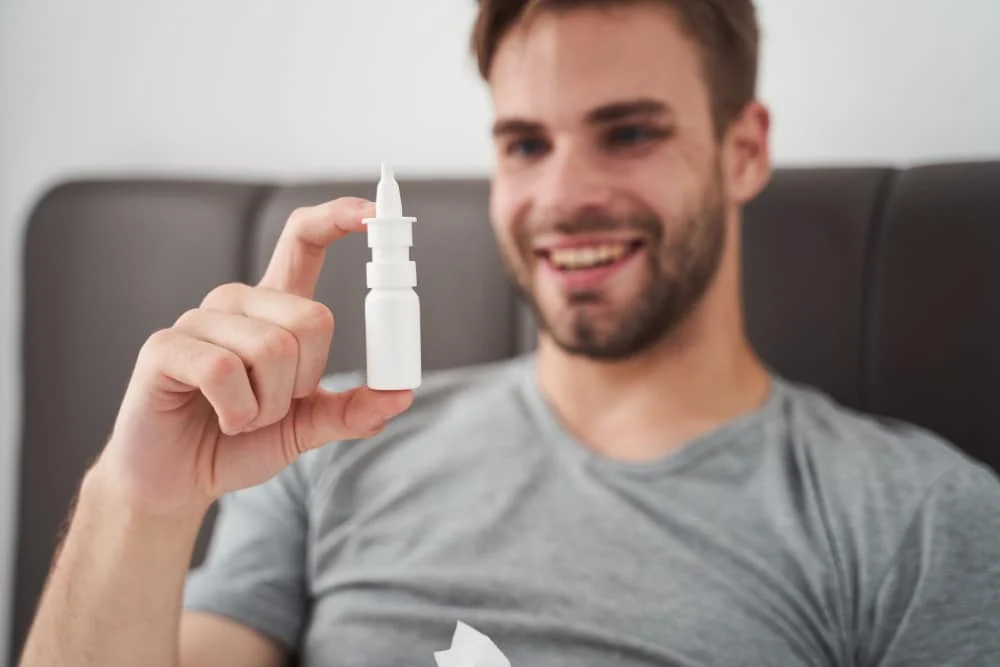
- 2019: The FDA Turning Point: In a move that many experts now view as a double-edged sword, the U.S. Food and Drug Administration (FDA) approved esketamine (brand name Spravato), a nasal spray for treatment-resistant depression. While this offered hope for patients who failed traditional therapies, it simultaneously "re-branded" ketamine in the public consciousness as a therapeutic miracle drug.
- 2020–2025: The Off-Label Boom: Following the FDA approval, a wave of private clinics emerged across North America and Europe, offering ketamine infusions and sprays for a variety of "off-label" uses, including anxiety, PTSD, and general stress. This commercialization increased the drug’s availability and lowered the perceived risk among the youth.
- 2026: The Current Peak: By early 2026, the normalization of ketamine has resulted in the current saturation of the market. The drug is now cheaper and more accessible than ever, leading to the referral spikes seen at facilities like Birchwood.
n
n
n
n
n
n
Supporting Data: The Physiological and Societal Toll
n
The data surrounding ketamine abuse paints a harrowing picture of physical degradation. Unlike many other drugs, ketamine’s long-term side effects are uniquely destructive to the renal and urinary systems.
n
The "K-Bladder" Phenomenon
n
Dr. Darren Quelch, a senior research fellow at the University of South Wales, notes that long-term use frequently results in chronic pain, kidney failure, and severe bladder damage. The drug’s metabolites are highly irritating to the bladder lining, causing it to shrink and scar.
n
The human cost of this is exemplified by a 22-year-old patient at Birchwood who began using ketamine at age 14. By her early twenties, she was using the drug "all day, every day" to cope with her job and personal struggles. The result of four years of heavy use was a diagnosis of Borderline Personality Disorder and such extreme bladder damage that she was forced to wear incontinence pads and was unable to stand straight due to chronic pelvic pain.
n
Psychological and Physical Collapse
n
The drug’s impact on the nasal cavity is another growing concern. A 25-year-old patient interviewed by the BBC described the "collapse of his nose" after years of snorting the substance. Beyond the physical, the psychological toll is immense. "It completely destroyed my self-confidence," the patient remarked, "which leads to more drugs, because that just blanked out what I think of myself."
n
Comparative Statistics: U.K. vs. U.S.
n
There is a notable disparity in how the two nations track and respond to the crisis. In the U.K., the primary data points come from people seeking or receiving treatment through the NHS or private facilities like Birchwood. In the U.S., however, statistics are often derived from emergency calls to poison control centers.
n
This suggests a systemic difference in healthcare accessibility. While U.K. citizens can often access a referral-based treatment system (albeit one currently overwhelmed), Americans frequently lack a clear pathway to enter substance use disorder treatment until a life-threatening emergency occurs. The reliance on poison control data in the U.S. highlights a "crisis-first" model of addiction management rather than a preventative or rehabilitative one.
n
Official Responses: Medical and Regulatory Perspectives
n
Medical professionals are sounding the alarm, but they face significant hurdles in identifying and treating the disorder. One of the most pressing issues is that ketamine is not detected in most standard urine toxicology screens used by employers or general practitioners.
n
The Challenge of Detection
n
Jo Moore at Birchwood points out that patients are often not forthright about their ketamine use, and because it doesn’t show up on standard tests, it often goes untreated until the physical symptoms—such as blood in the urine or severe abdominal pain—can no longer be ignored.
n
Educational Initiatives
Despite the grim statistics, Moore sees a glimmer of hope in the U.K.’s proactive educational approach. "We’re seeing fewer people presenting to services with a new substance use of ketamine," she says, suggesting that education in schools, colleges, and universities regarding the drug’s physical dangers is beginning to take root.
The American Outlook
In the U.S., the perspective is less optimistic. Dr. Christopher P. Holstege, a professor of emergency medicine and pediatrics at the University of Virginia, warns that the availability of ketamine on college campuses has risen sharply. He argues that the U.S. is lagging in active education and prevention efforts. "Without more active education… as well as better detection methods for these drugs, students will continue to pay the price," Holstege writes.
The FDA and other regulatory bodies are also facing criticism for the rapid expansion of ketamine’s use in the private sector. The "rushing to market" of ketamine-based medicines by pharmaceutical companies has created a grey market where the line between clinical therapy and recreational abuse becomes dangerously blurred.
Implications: A Generation at Risk
The implications of the ketamine epidemic extend far beyond the individual user. The societal and economic costs of a generation dealing with chronic kidney failure and permanent incontinence are staggering.
- Healthcare Burden: The NHS and private insurers in the U.S. will likely face a surge in costs related to urological surgeries and long-term renal care for young adults. "K-bladder" often requires surgical intervention, including bladder reconstruction or removal, which carries lifelong complications.
- The Mental Health Paradox: Ketamine is being marketed as a solution to the mental health crisis (depression, anxiety, PTSD). However, as seen in the Birchwood cases, the "revolving door" of addiction means that the very drug used to treat psychological distress often exacerbates it, leading to personality disorders and a total loss of self-worth.
- Regulatory Reform: There is an urgent need for stricter oversight of "ketamine clinics" and off-label prescriptions. The transition of ketamine from a controlled anesthetic to a commercialized wellness product has outpaced the regulatory framework intended to keep it safe.
- The Need for Specialized Treatment: Traditional drug rehab programs designed for opioids or alcohol may not be fully equipped to handle the specific physiological and psychological needs of ketamine addicts. Specialized protocols for managing renal pain and the unique dissociative withdrawal symptoms are becoming a necessity.
The story of ketamine in 2026 is a cautionary tale of how a beneficial medical tool can become a public health nightmare when clinical enthusiasm meets a lack of regulatory foresight and a vulnerable, misinformed public. For the hundreds of thousands currently in treatment, the road to recovery is paved with physical pain and the difficult task of re-engaging with a reality they once desperately sought to escape.

