
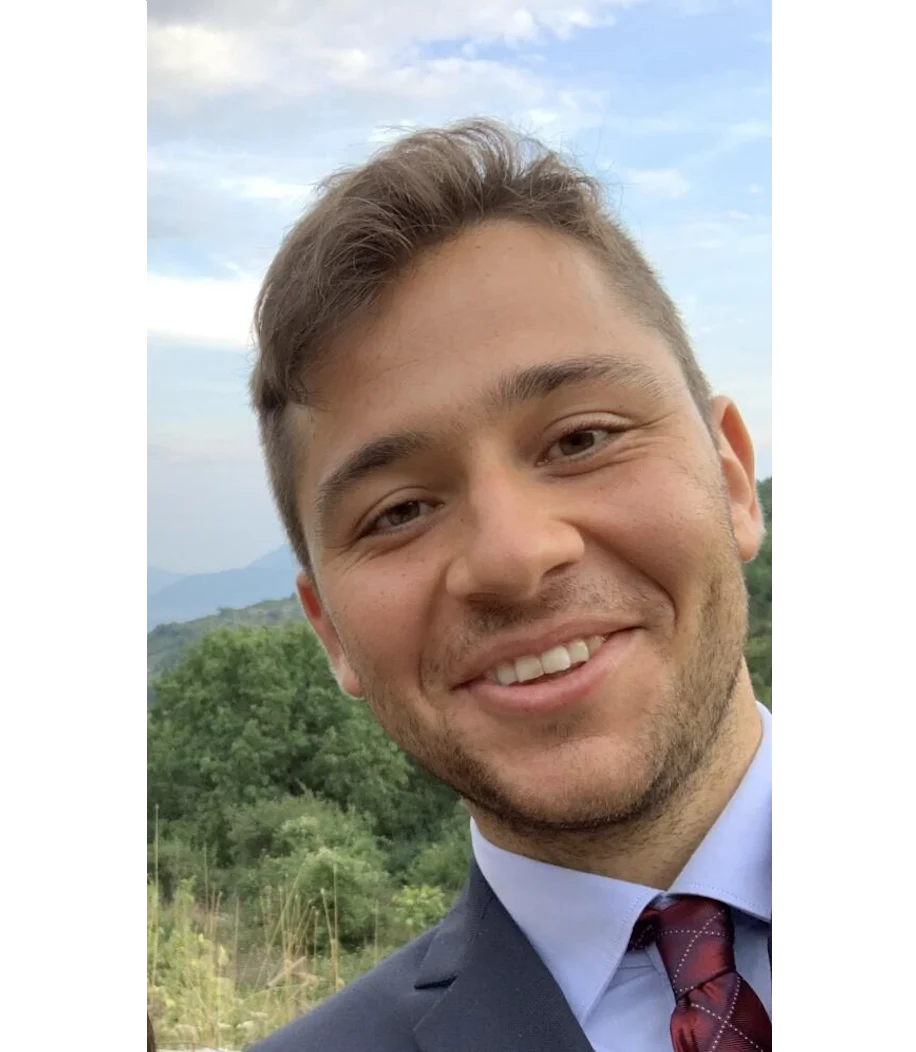
The landscape of Type 1 Diabetes (T1D) is undergoing a radical transformation. Once characterized by a lifetime of restrictive diets, manual finger pricks, and a constant fear of the unknown, the condition is now being met with unprecedented technological innovation and a global movement toward a cure. This November, in observance of National Diabetes Awareness Month (NDAM), the organization Breakthrough T1D (formerly JDRF) has launched its "See T1D" campaign. The initiative aims to pull back the curtain on a condition that is often invisible to the naked eye but omnipresent in the lives of those it affects.
n
By highlighting the stories of athletes, researchers, policy experts, and families, the campaign underscores a pivotal message: while T1D is a relentless 24/7 burden, the community is closer than ever to turning "Type 1 into Type None."
n
Main Facts: The Current State of T1D in America
n
Type 1 Diabetes is an autoimmune disease in which the body’s immune system attacks and destroys the insulin-producing beta cells in the pancreas. Unlike Type 2 diabetes, T1D is not caused by diet or lifestyle factors and currently has no cure. According to recent data, approximately 1.45 million Americans are living with T1D, with nearly 64,000 people diagnosed annually.
n
The "See T1D" campaign serves as a multifaceted platform for advocacy and education. Its primary objectives include:
n
- n
- Increasing Public Awareness: Educating the general public on the differences between Type 1 and Type 2 diabetes to reduce stigma and misunderstanding.
- Advocating for Access: Ensuring that life-saving technologies, such as Continuous Glucose Monitors (CGMs) and automated insulin delivery (AID) systems, are affordable and accessible.
- Funding Breakthrough Research: Directing resources toward disease-modifying therapies, stem cell research, and the development of a biological cure.
n
n
n
n
The individuals featured in this year’s campaign represent the diversity of the T1D experience. From Mason Miller, a high-performance athlete pitching in Major League Baseball, to Dr. Camillo Bechi Genzano, a researcher seeking to undo the very disease he lives with, these stories illustrate that while T1D requires constant vigilance, it does not define the limits of human potential.
n
Chronology: From Survival to Sophistication
n
To understand the weight of the stories shared by Breakthrough T1D, one must look at the historical trajectory of the disease. The journey from the discovery of insulin to the modern era of "artificial pancreases" is one of the most significant arcs in medical history.
n
The Era of Survival (1922–1970s)
n
Before 1922, a diagnosis of T1D was essentially a death sentence. The discovery of insulin by Frederick Banting and Charles Best transitioned the disease from terminal to manageable. However, management was primitive. Patients relied on large, glass syringes that required boiling for sterilization and tested their sugar levels through cumbersome urine tests that only provided retrospective data.
n
The Technological Awakening (1980s–2000s)
n
The 1980s saw the introduction of human synthetic insulin and the first portable blood glucose monitors. This era empowered patients to take control of their health at home. By the late 1990s and early 2000s, the first insulin pumps began to gain traction, offering a more physiological way to deliver insulin compared to multiple daily injections (MDI).
n
The Digital Revolution (2010–Present)
n
The last decade has seen an explosion in T1D technology. The advent of the Continuous Glucose Monitor (CGM) changed everything. As Dr. Camillo Bechi Genzano notes, "I remember all the struggles before continuous glucose monitors and insulin pumps… the life of people with this disease has dramatically improved." Today, many patients use "closed-loop" systems where a CGM communicates directly with an insulin pump, using algorithms to automatically adjust insulin doses in real-time.
n
Supporting Data: The Economic and Human Cost
n
Despite these advancements, the burden of T1D remains staggering. Data from the American Diabetes Association (ADA) and Breakthrough T1D highlight the ongoing challenges:
n
- n
- Financial Impact: The total estimated cost of diagnosed diabetes in the U.S. is $379 billion annually. For individuals with T1D, the out-of-pocket costs for insulin and technology can be prohibitive without adequate insurance coverage.
- The "42 Factors": Research has identified at least 42 different factors—including stress, altitude, caffeine, and sleep—that affect blood glucose levels. This complexity is echoed by Yousra Omer, a Senior Coordinator of Health Policy, who explains, "Even if I do the exact same things every single day, my blood sugars would still be different."
- Mental Health: People with T1D are 20% to 50% more likely to experience depression and "diabetes burnout" compared to those without the condition. The mental load of making an estimated 180 extra health-related decisions every day is a significant factor in patient well-being.
- Clinical Progress: Breakthrough T1D has funded more than $2.5 billion in research since its inception. Currently, the focus has shifted toward immunotherapy, such as the FDA-approved drug Tzield (teplizumab), which can delay the onset of clinical T1D in at-risk individuals by an average of two years.
n
n
n
n
n
Official Responses: Voices from the Frontlines
n
The "See T1D" initiative is built on the testimonies of those who navigate the complexities of the disease daily. Their responses provide a raw, honest look at the intersection of health, career, and family.
n
The Elite Athlete’s Perspective
Mason Miller, a relief pitcher for the San Diego Padres, serves as a powerful example of overcoming physical adversity. Diagnosed at age 20 while playing Division III college baseball, Miller had to relearn his body’s signals while maintaining the rigors of a professional sports career.
"A lot of hard work accompanied getting healthy and educated," Miller stated. His success in the MLB is a testament to the efficacy of modern T1D management tools, which allow him to perform at the highest level of physical exertion without compromising his safety.
The Policy Advocate’s Insight
Yousra Omer highlights the frustration of the "invisible" battle. For many, a "bad" blood sugar day is seen as a personal failure or a lack of discipline. Omer’s response challenges this narrative: "It doesn’t mean I am doing something wrong." Her work in health policy focuses on ensuring that the unpredictability of the disease is recognized by healthcare systems and that patients are supported rather than judged.
The Parent’s Mission
For parents like Alyssa Burns, the challenge is not just medical, but social. Her son Carter, 10, lives in an environment where he is the only one with T1D. Burns emphasizes the importance of community events like the Breakthrough T1D Walk. "I thought it’d be good for him to get himself out there… and show him that he’s not alone in this," she says. This highlights the "social isolation" often felt by children with chronic illnesses and the vital role of peer support.
The Emotional Resilience Strategy
Jessie Stover, a Development Manager for Breakthrough T1D, brings a perspective of long-term resilience. Having lived with the disease since the age of two, she advocates for finding joy within the struggle. "Celebrate your diaversary, bedazzle your Omnipod… find little ways to bring joy into it," Stover suggests. Her message emphasizes the "coexistence" of the good and bad days, a necessary mindset for a lifelong condition.
Implications: The Road to a Cure and Beyond
The stories and data presented during National Diabetes Awareness Month point toward a future where T1D is no longer a permanent condition. The implications of current research and advocacy are three-fold:
1. The Shift to Disease Modification
We are moving away from simply "managing" symptoms toward "modifying" the disease. Dr. Genzano’s research into disease-modifying therapies represents the cutting edge of science. By intervening in the immune system’s attack on the pancreas, researchers hope to stop the disease in its tracks before the insulin-producing cells are entirely destroyed.
2. Universal Access and Policy Reform
The "See T1D" campaign is a call to action for policymakers. The rising cost of insulin has been a central theme in national discourse. Advocacy by organizations like Breakthrough T1D has already contributed to the $35 cap on insulin for many seniors and is pushing for similar protections for the broader T1D population. The implication is clear: technology is only life-changing if it is accessible.
3. Holistic Patient Care
The focus is broadening to include the psychological impact of T1D. As evidenced by the testimonies of Stover and Burns, the community is placing a higher value on "diabetes mental health." Future care models are likely to integrate psychological support as a standard part of endocrinology visits, recognizing that the mind is just as affected by blood sugar fluctuations as the body.
4. The Biological Cure
The ultimate goal remains the "biological cure"—the transplantation of stem-cell-derived beta cells that can produce insulin without the need for immunosuppressive drugs. While still in clinical trials, the progress made in the last five years suggests that the "Type None" goal is not just a slogan, but a looming reality.
Conclusion
National Diabetes Awareness Month is more than a period of reflection; it is a catalyst for the next wave of breakthroughs. Through the "See T1D" campaign, Breakthrough T1D is ensuring that the 1.45 million voices in the T1D community are heard by researchers, lawmakers, and the public. As Mason Miller pitches in the MLB and Dr. Genzano hunts for a cure in the lab, the message is clear: the T1D community is not just surviving—they are leading the way toward a future where the disease no longer exists.
The invitation remains open for others to join this movement. By sharing stories of "highs, lows, and challenges," the community continues to build the momentum needed to cross the finish line of this century-long marathon.

