
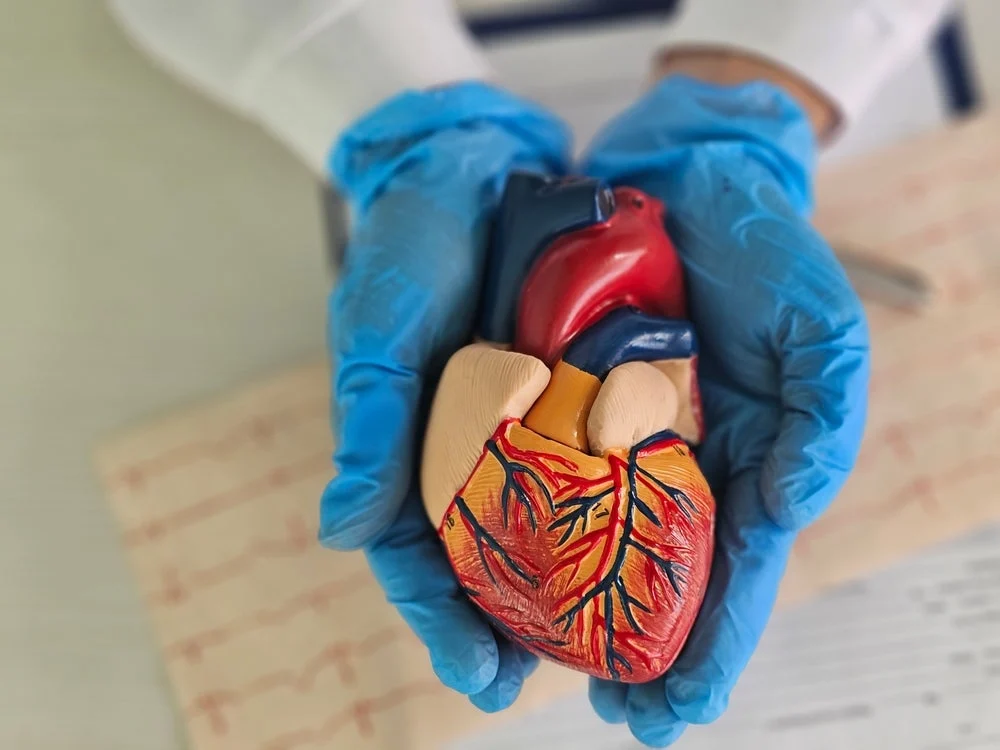
Munich, Germany – A groundbreaking long-term observational analysis is set to send ripples through the food, pharmaceutical, and health industries, revealing a potential link between high blood levels of the widely used artificial sweetener, xylitol, and a significantly elevated risk of major cardiovascular events such as heart attack and stroke. The findings, slated to debut at the prestigious 2026 European Society of Cardiology Congress in Munich, challenge the long-held perception of xylitol as an unequivocally safe ingredient and underscore an urgent need for further exploration into its impact on heart health as its consumption continues to rise globally.
n
Researchers are now calling for comprehensive studies to fully understand these implications, particularly given xylitol’s pervasive presence in everything from sugar-free chewing gum and toothpaste to dietary supplements and an increasing number of oral pharmaceutical products designed to enhance taste. The study’s authors emphasize that while regulators currently largely regard xylitol as safe, these preliminary signals warrant immediate and thorough investigation into its long-term effects on the human cardiovascular system.
n
Main Facts: A Sweetener’s Bitter Truth?
n
The core revelation of this extensive analysis is stark: individuals with elevated concentrations of xylitol in their blood face a substantially higher risk of experiencing adverse cardiovascular events. The research, conducted by a team at Berlin’s Charité University Hospital, meticulously examined data from nearly 18,000 participants, drawing a compelling correlation between circulating xylitol levels and cardiovascular outcomes.
n
Specifically, the study found that individuals in the top 25% for serum xylitol concentrations were 57% more likely to suffer a major cardiovascular event over a follow-up period of six years compared to those in the lowest quartile. This alarming statistic remained significant even after adjusting for well-established cardiovascular risk factors, including age, sex, lipid levels, diabetes status, smoking history, and high blood pressure. Extending the analysis to a 30-year mark, the risk for those with the highest xylitol levels was still 18% greater than for those with the lowest circulating levels, indicating a persistent, long-term association.
n
Crucially, the study also identified a dose-dependent relationship, meaning that as xylitol levels increased, so did the associated cardiovascular risk. This relationship held true regardless of an individual’s baseline health characteristics, suggesting that even people without pre-existing cardiovascular risk factors like diabetes, hypertension, or a high body mass index (BMI) could potentially be vulnerable to the sweetener’s effects at elevated blood concentrations.
n
These findings build upon previous work by the same research group, which had previously identified an association between xylitol and cardiovascular events in high-risk individuals over a shorter, three-year study period. That earlier research also hinted at a potential mechanism, suggesting xylitol’s role in enhancing the capacity of platelets to form clots – a critical process in the development of heart attacks and strokes.
n
Chronology of Concern: Tracing the Research Journey
n
The journey to these unsettling findings has been a gradual yet persistent one, spearheaded by Dr. Marco Witkowski, a senior consultant at Charité University Hospital, and his dedicated team. Their ongoing investigation into artificial sweeteners and their broader health impacts has progressively unveiled layers of complexity that challenge conventional wisdom.
n
The current analysis represents a significant expansion of their prior work. Initially, the team focused on specific cohorts, particularly high-risk individuals, to observe correlations between xylitol consumption or endogenous levels and cardiovascular health. These earlier studies, while valuable, provided a snapshot over a relatively shorter timeframe, typically around three years. They served as crucial preliminary indicators, suggesting a need for more expansive and long-term investigation.
n
A key breakthrough in their earlier research was the identification of a potential biological mechanism. Dr. Witkowski and his colleagues observed that xylitol appeared to enhance the aggregatory capacity of platelets – the tiny blood cells responsible for forming clots. In a healthy physiological context, platelet aggregation is vital for stopping bleeding. However, excessive or inappropriate clotting can lead to dangerous blockages in blood vessels, precipitating events like heart attacks and strokes. This mechanistic insight provided a plausible biological pathway through which xylitol might exert its cardiovascular effects, moving beyond mere statistical correlation to a potential understanding of causation.
n
The decision to embark on the current long-term analysis, drawing data from nearly 18,000 participants, was a natural progression. Recognizing the widespread and increasing use of xylitol across various consumer products, the researchers understood the imperative to assess its impact on the general population over an extended period. This broader scope allowed them to capture a more representative picture of the sweetener’s potential risks, irrespective of pre-existing health conditions.
n
The culmination of this extensive research will be presented at the 2026 European Society of Cardiology Congress in Munich, a premier event for cardiovascular science and a platform where significant findings often shape future medical practice and public health guidelines. The choice of such a prestigious forum underscores the perceived importance and potential impact of Witkowski’s team’s work. This chronological progression – from initial observations in high-risk groups, to mechanistic insights, and finally to a large-scale, long-term general population study – highlights a rigorous and systematic approach to uncovering a potentially critical public health concern.
n
Supporting Data: Unpacking the Numbers and Methodology
n
The robustness of the Charité University Hospital study lies in its extensive dataset and meticulous statistical analysis. The research team delved into the health records and biological samples of nearly 18,000 participants, making it one of the most comprehensive investigations into xylitol’s cardiovascular effects to date. This large sample size enhances the statistical power of the findings, lending greater credibility to the observed associations.
n
The methodology employed was primarily an observational analysis, a common and valuable approach in epidemiological research. Researchers tracked participants over many years, collecting data on various health parameters, lifestyle factors, and, crucially, blood levels of xylitol. By categorizing participants into quartiles based on their circulating xylitol concentrations, the team could perform comparative analyses to identify differential risks.
n
The reported 57% increased risk of major cardiovascular events (MACE) over a six-year follow-up period for those in the highest quartile (top 25%) compared to the lowest quartile is a statistically significant finding. MACE typically includes non-fatal myocardial infarction (heart attack), non-fatal stroke, and cardiovascular death. This percentage is particularly compelling because the researchers went to great lengths to control for confounding variables. They adjusted their analyses for a comprehensive array of known cardiovascular risk factors, including:
n
- n
- Age: Cardiovascular risk naturally increases with age.
- Sex: Men and women often have different cardiovascular risk profiles.
- Lipid Levels: High cholesterol (LDL) and triglycerides are major risk factors.
- Diabetes: Individuals with diabetes are at a significantly higher risk of heart disease.
- Smoking Status: Smoking is a potent cardiovascular toxin.
- High Blood Pressure (Hypertension): A primary contributor to heart disease and stroke.
n
n
n
n
n
n
n
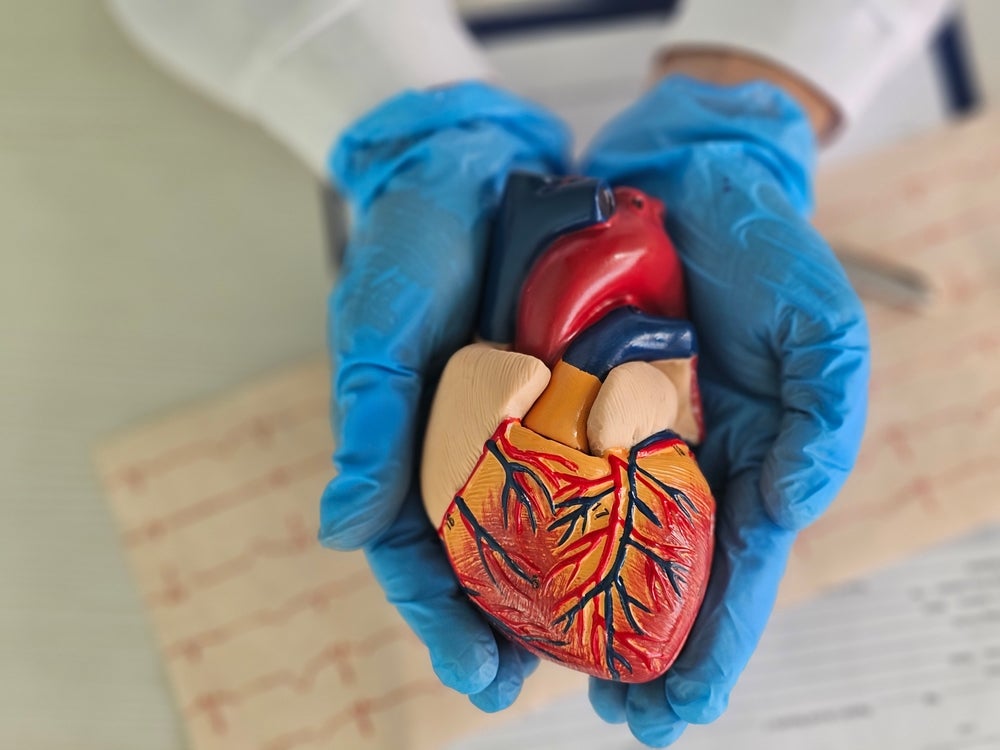
By adjusting for these factors, the researchers aimed to isolate the independent association between xylitol levels and cardiovascular events, strengthening the argument that xylitol itself, rather than other co-existing risk factors, plays a role. The fact that the association persisted and remained statistically significant after these adjustments adds considerable weight to the findings.
n
Furthermore, the extension of the analysis to a 30-year mark, showing an 18% higher risk for those with elevated xylitol levels, demonstrates the long-term nature of this potential association. While the percentage is lower than the six-year mark, it still signifies a sustained elevated risk over decades, which is highly relevant for a substance consumed regularly throughout a person’s life.
n
The identification of a dose-dependent relationship is another critical piece of supporting data. This means that as the concentration of xylitol in the blood increased, the observed cardiovascular risk also showed a progressive upward trend across the middle quartiles. This linear relationship strengthens the credibility of the findings, suggesting a biological gradient rather than a spurious correlation. Moreover, the finding that this dose-dependent risk persisted even in individuals without underlying cardiovascular risk factors like diabetes or high BMI is particularly concerning. It implies that xylitol’s potential impact is not limited to those already predisposed to heart disease but could affect a broader segment of the population.
n
While observational studies, by their nature, cannot definitively prove causation, they are instrumental in identifying strong associations that warrant further investigation through randomized controlled trials. The scale, the rigorous adjustment for confounders, and the consistency of the findings across different timeframes and risk profiles make this study a significant contribution to the growing body of knowledge surrounding artificial sweeteners and cardiovascular health.
n
Official Responses: Calls for Caution and Further Inquiry
The revelations from Charité University Hospital have prompted immediate calls for caution and intensified research from leading experts in the field. Dr. Marco Witkowski, the study presenter and senior consultant, did not mince words when discussing the implications of his team’s work. "Our long-term findings in the general population highlight how little we know about the cardiovascular safety of xylitol and indicate that further studies are warranted, especially as the amount of xylitol in products continues to increase," commented Witkowski. His statement reflects a blend of scientific discovery and a profound sense of responsibility, acknowledging that a widely consumed substance may harbor unforeseen risks. He particularly emphasized the preliminary nature of these findings, not to dismiss them, but to underscore the urgent need for a deeper dive into the mechanisms and real-world consequences.
Echoing Witkowski’s sentiments, Dan Atar, a distinguished member of the European Society of Cardiology (ESC) Communication Committee, provided an important counterpoint and validation. Atar affirmed the critical need for further research, particularly focusing on establishing causality. He highlighted a fundamental challenge inherent in observational studies: while they are excellent at identifying correlations and generating hypotheses, drawing definitive conclusions about causation can be difficult. "Conclusions on causality can be challenging to obtain from observational studies such as the one Witkowski and his team have conducted," Atar noted. However, he also implicitly acknowledged the significance of the observed association, implying that such strong signals cannot be ignored and must serve as a catalyst for more robust experimental investigations, such as randomized controlled trials, which can more definitively establish cause-and-effect relationships.
The current official stance of global regulatory bodies, such as the U.S. Food and Drug Administration (FDA) and the European Food Safety Authority (EFSA), generally regards xylitol as safe for consumption within specified limits. The FDA, for instance, has granted xylitol "Generally Recognized As Safe" (GRAS) status. These classifications are typically based on available toxicological data and extensive safety assessments. The new research, however, introduces a novel dimension of concern – cardiovascular health – that may not have been fully explored or given sufficient weight in previous evaluations.
While there hasn’t been an immediate official response from regulatory bodies following the preliminary announcement of these findings (as they are yet to be formally presented), the precedent set by previous scrutinies of other artificial sweeteners suggests that such research can trigger a re-evaluation process. Regulatory agencies typically monitor scientific developments and, if new evidence emerges challenging the safety profile of an approved substance, they may initiate reviews to determine if existing guidelines need to be updated or revised. This process is often deliberate and data-intensive, involving expert panels and public consultations.
For now, the official responses are largely centered on the scientific community’s call for more research. This collective call indicates a responsible approach: acknowledging potentially significant findings while advocating for the rigorous scientific process required to confirm them and understand their full implications before advising sweeping changes to public health policy or industry practices.
Implications: Reshaping Consumer Choices, Industry Practices, and Public Health
The potential link between xylitol and increased cardiovascular risk carries far-reaching implications that could reshape consumer behavior, force significant adjustments within the food and pharmaceutical industries, and necessitate a re-evaluation of public health guidelines.
Impact on Consumers:
For the average consumer, these findings introduce a new layer of complexity to dietary choices. Xylitol has been widely embraced as a "healthier" sugar alternative, particularly by those managing diabetes, seeking weight loss, or prioritizing dental health due to its non-cariogenic properties. The perception of it being a "natural" sugar alcohol further bolstered its appeal compared to synthetic artificial sweeteners. Now, consumers may face a dilemma: balance the known benefits (e.g., blood sugar control, dental cavity prevention) against the newly identified potential cardiovascular risks. Public health bodies will need to carefully consider how to communicate these nuanced risks without causing undue alarm, emphasizing moderation and the need for further research rather than outright prohibition. Individuals with existing cardiovascular conditions or risk factors might be advised to consult their healthcare providers regarding their xylitol intake.
Impact on the Food and Beverage Industry:
The food and beverage sector stands to be significantly impacted. Xylitol’s use has surged due to consumer demand for low-sugar, low-calorie, and "natural" products. It is a staple in sugar-free gums, candies, baked goods, protein bars, and various dietetic products. If these findings are confirmed, manufacturers may face immense pressure to reformulate products, seek alternative sweeteners, or prominently label potential risks. This could lead to substantial research and development investments to find suitable substitutes that offer similar functional properties (sweetness, texture, moisture retention) without the associated health concerns. Consumer trust in "sugar-free" or "diet" products might also erode, prompting a broader re-evaluation of the entire artificial sweetener category. The financial implications for companies heavily invested in xylitol-containing products could be considerable.
Impact on the Pharmaceutical Industry:
The pharmaceutical industry, while perhaps a smaller user by volume compared to food, utilizes xylitol extensively in oral dosage forms. It’s prized for its taste-masking properties, making unpleasant medicines more palatable, especially for pediatric patients. It also functions as a filler and binder in tablets and medicated confectionaries. If cardiovascular risks are confirmed, pharmaceutical companies might need to re-evaluate their formulations, potentially switching to alternative excipients. This could be a complex and costly process, requiring extensive R&D, new regulatory approvals for reformulated drugs, and careful consideration of patient compliance, especially in cases where taste is a critical factor for adherence. The challenge will be to find alternatives that are equally effective, safe, and do not introduce new side effects.
Public Health and Regulatory Implications:
From a public health perspective, these findings necessitate a proactive approach. Current regulatory guidelines for xylitol, based on its "Generally Recognized As Safe" (GRAS) status in the U.S. and similar approvals elsewhere, may need to be revisited. Regulatory bodies like the FDA and EFSA will likely monitor the unfolding research closely. If subsequent studies corroborate these findings, it could trigger a formal re-evaluation process, potentially leading to revised acceptable daily intake (ADI) levels, stricter labeling requirements, or even restrictions on its use in certain product categories or for specific population groups. This process is often lengthy and involves extensive data review, expert consultations, and public commentary.
Future Research Directions:
The most immediate implication is the imperative for more rigorous and definitive research. The scientific community will now pivot towards several key areas:
- Randomized Controlled Trials (RCTs): These are considered the gold standard for establishing causation. Long-term RCTs with human subjects, while challenging and expensive, would be crucial to definitively determine if xylitol causes cardiovascular events.
- Mechanistic Studies: Further investigation into the exact biological pathways through which xylitol might influence platelet activity and cardiovascular health is vital. Understanding the "how" can lead to targeted interventions or safer alternatives.
- Dose-Response Studies: More precise research to determine safe consumption levels, if any, and to identify thresholds at which risks begin to manifest.
- Comparative Studies: Research comparing xylitol’s effects with other sugar alcohols and artificial sweeteners to provide a broader context for its safety profile.
- Population-Specific Studies: Investigating how xylitol might affect different demographics, including children, pregnant women, and individuals with specific pre-existing health conditions.
In conclusion, while the initial findings from Charité University Hospital are observational and require further confirmation, they represent a significant red flag for a widely used ingredient. The implications extend far beyond scientific curiosity, potentially impacting global markets, regulatory frameworks, and the everyday dietary choices of millions. The scientific community’s call for immediate and comprehensive research underscores the gravity of the situation, urging caution and vigilance as we await a clearer understanding of xylitol’s true impact on heart health.

